01 / THE RITUAL OF BALANCE
Jeevras
Come back
to your centre.
Rooibos meets Darjeeling, in a richly layered botanical embrace.
Rooibos Masala Chai
IN THE BLEND
Rooibos, Darjeeling Black Tea, Cardamom, Black Pepper

01 / THE RITUAL OF BALANCE
Rooibos meets Darjeeling, in a richly layered botanical embrace.
Rooibos Masala Chai
Rooibos, Darjeeling Black Tea, Cardamom, Black Pepper
02 / LEAVES, ROOTS & SPICES
Two distinct tea traditions, brought together in one layered cup.
Botanicals with a familiar place in India’s Ayurvedic tradition.
03 / THE MOMENT IT BECOMES YOURS
For the pause between meetings, an afternoon with a book, or a conversation with yourself.
Your brewing ritual ↓
A little water. A little patience.
A cup worth slowing down for.
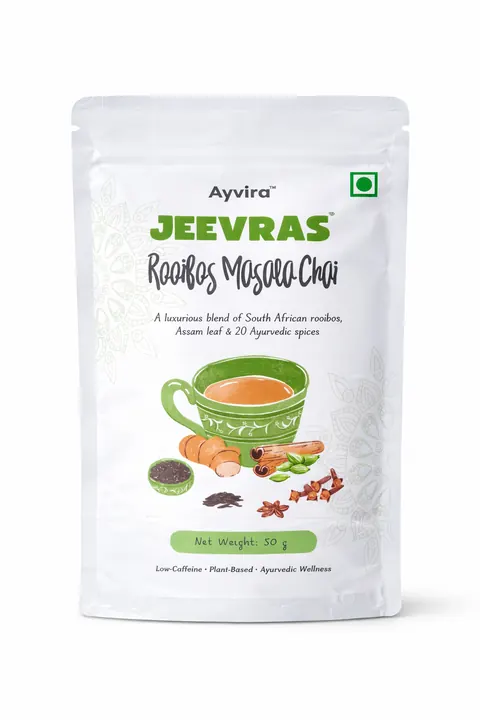
Rooibos meets Darjeeling, in a richly layered botanical embrace.
Earthy rooibos · layered spice · gentle sweetness
YOUR EVERYDAY RITUALA moment with Jeevras
Between one thing and the next, there is room for a small ritual. Jeevras brings together South African rooibos, Darjeeling black tea and a generous gathering of Indian spices and botanicals. Earthy, aromatic and full of character: a cup to spend a little time with.
For the pause between meetings, an afternoon with a book, or a conversation with yourself.
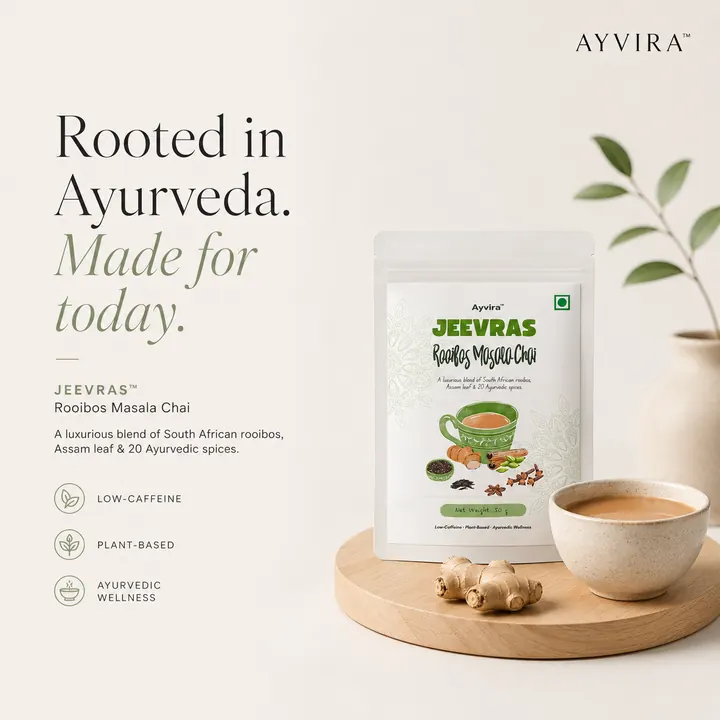
Inside your cup
A closer look at the leaves, spices and botanicals that give Jeevras its character.
Two distinct tea traditions, brought together in one layered cup.
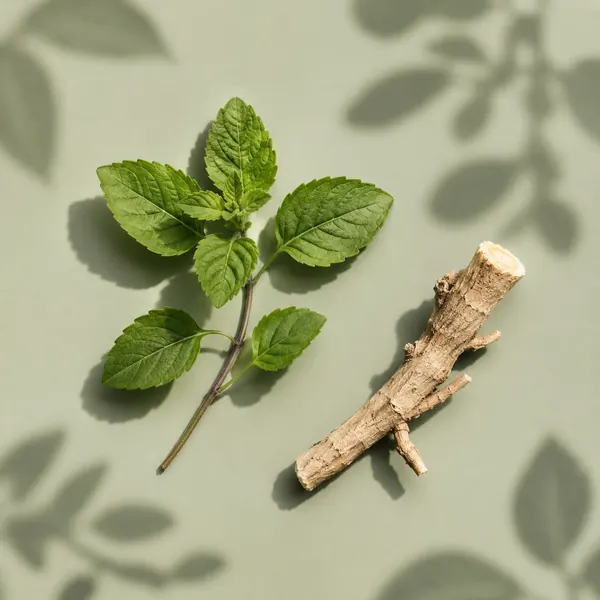
Botanicals with a familiar place in India’s Ayurvedic tradition.
Cardamom, fennel, cinnamon and more, for depth in every sip.
Ingredients, in tradition
All 22 ingredients in Jeevras, and how Ayurveda and other traditions have long regarded each one. Every note links to its source.
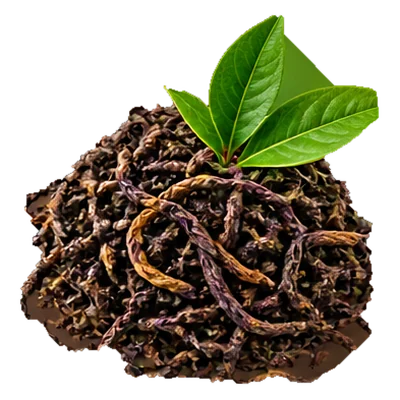
दार्जिलिंग चाय · Darjeeling tea
Darjeeling is a fine black tea grown in the foothills of the Himalaya, and tea itself is one of India's best-loved daily rituals. Like all true tea it contains polyphenols such as theaflavins and thearubigins, which shape its brisk, aromatic character.
Research note. Tea naturally contains caffeine. Reviews also note that antioxidant effects seen in the laboratory do not always appear in human studies.
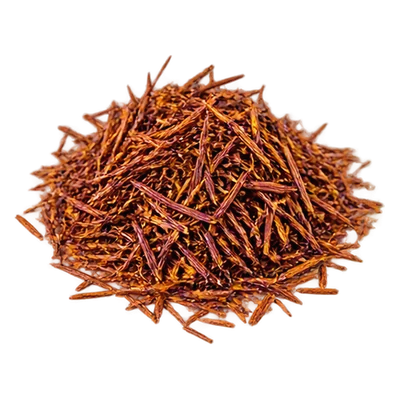
रूइबॉस · South African herb
Rooibos is a South African herbal infusion, not part of classical Ayurveda. It is naturally free of caffeine, low in tannins, and contains polyphenols such as aspalathin, which gives the cup its smooth, earthy sweetness.
Research note. Human studies on rooibos are limited, and most of the research comes from laboratory and animal work.
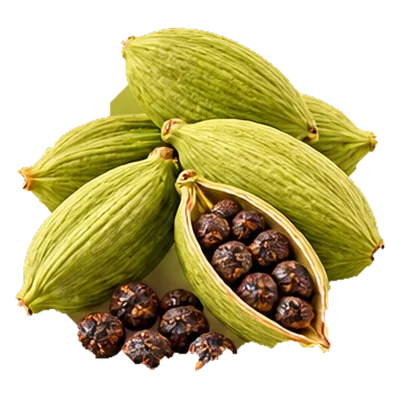
इलायची · Ela
Cardamom is a fragrant, warming pod of Indian kitchens. In Ayurvedic medicine it has traditionally been used for stomach (digestive) and respiratory complaints, and it is named in classical Sanskrit texts as an aromatic ingredient.
Research note. Published research on cardamom is still limited. Its sweet aroma is why it sits at the heart of masala chai.
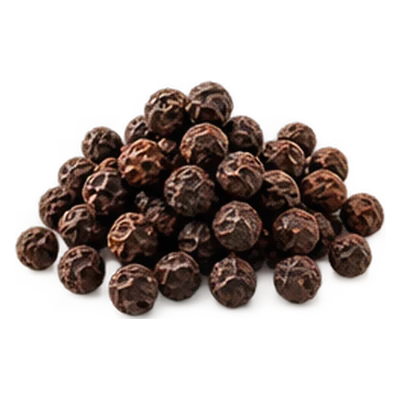
काली मिर्च · Maricha
Maricha is one of the three pungent spices of Trikatu, the classical Ayurvedic trio of black pepper, long pepper and ginger. In the classics it is traditionally associated with kindling digestive fire (agni).
Research note. Most published work on black pepper and its compound piperine is preclinical.
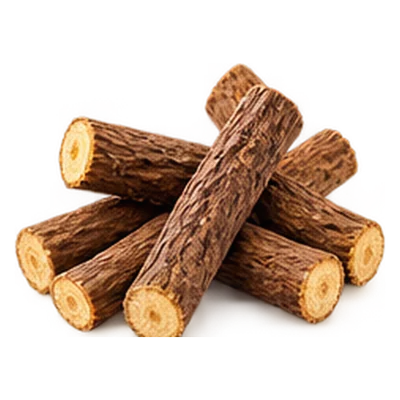
मुलेठी · Yashtimadhu
Licorice root, yashtimadhu or mulethi, is prized in Ayurveda for its sweet, cooling character. Classical texts place it in several important groups of herbs, and it has traditionally been used for cough and throat comfort.
Research note. Some toxicology studies raise safety concerns with licorice, especially at high intake, so reviews advise caution.
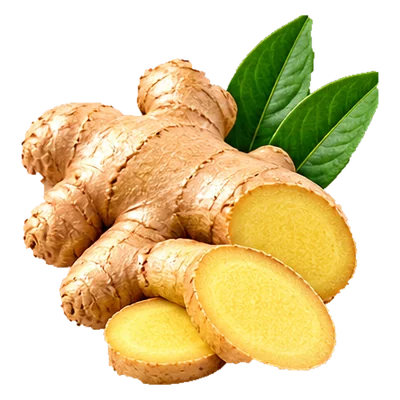
अदरक · Ardraka / Shunthi
In Ayurveda, ginger, fresh (ardraka) or dried (shunthi), is honoured as Mahaushadhi, "the great medicine", and appears in a very large share of classical formulations. It has traditionally been used to support digestion.
Research note. Reviewers note that how ginger acts is not yet fully understood, so this is traditional context.

दालचीनी · Twak
Cinnamon bark is a sweet, warming spice used across Indian kitchens and traditional medicine. A European herbal monograph records the traditional use of cinnamon bark preparations for mild, spasmodic digestive complaints such as bloating and flatulence.
Research note. This is a statement of traditional use as recorded by a regulator, not a claim about any finished tea.
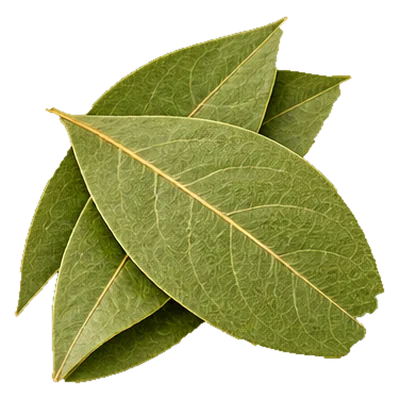
तेज पत्ता · Tejpatra
Tejpatra, the Indian bay leaf, is an aromatic leaf of Indian kitchens. Traditional Ayurvedic use describes it as carminative and stimulant, used for loss of appetite, nausea and coryza.
Research note. The studies are mostly ethnomedical compilations and laboratory work, so these uses are not clinically validated.
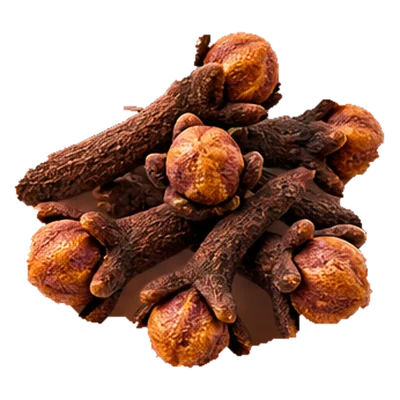
लौंग · Lavanga
Clove, the dried flower bud known as lavanga, is a deeply aromatic spice. Traditional systems of medicine, including Ayurveda, have long used it in oral and dental care and in preparations for cough.
Research note. Most laboratory findings on clove are preclinical. In the cup, it simply adds a rich, warm aroma.
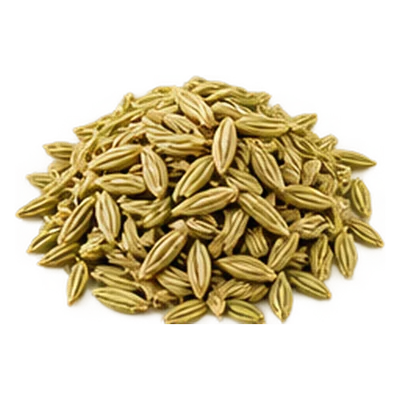
सौंफ · Saunf
Fennel seed, saunf, is chewed after meals across India for its sweet, cooling taste. European herbal references record fennel fruit in traditional preparations, including for bloating, flatulence and cough.
Research note. This is regulatory and herbal-reference context for the ingredient, not a claim about any tea.
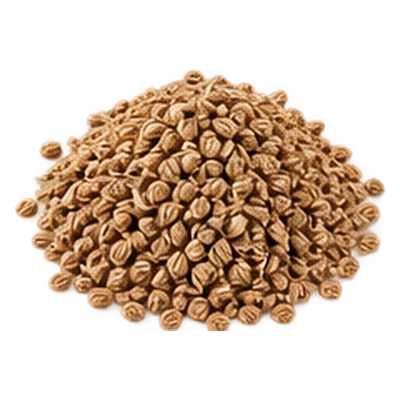
अजवाइन · Yavanika
Ajwain, called Bhootika or Yavanika in the Charaka and Sushruta Samhitas, is a pungent seed of Indian kitchens. It has traditionally been used for digestive complaints such as indigestion, flatulence and colic.
Research note. Reviews say most evidence is preclinical and call for human trials.
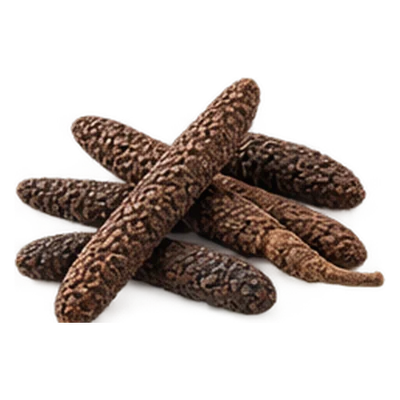
पिप्पली · Pippali
Pippali is the third pungent spice of Trikatu, alongside black pepper and ginger. Ayurveda uses it as a rasayana (rejuvenating herb), in digestive formulations and traditionally for respiratory complaints such as cough and bronchitis.
Research note. Clinical evidence in humans is limited; most findings are laboratory-based.
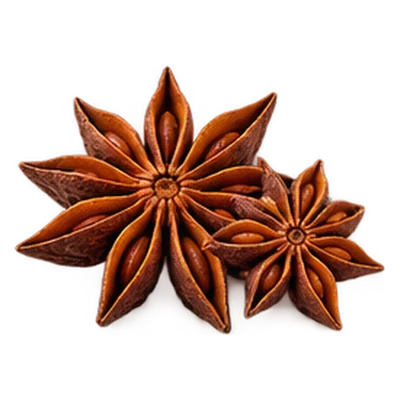
चक्रफूल · Chakraphool
Star anise is a beautiful, sweetly aromatic spice. A comprehensive review describes the fruit as traditionally used as a carminative and digestive aid, for dyspepsia and for spasms.
Research note. Most research is laboratory-based. Quality matters, since star anise can be confused with a toxic look-alike.
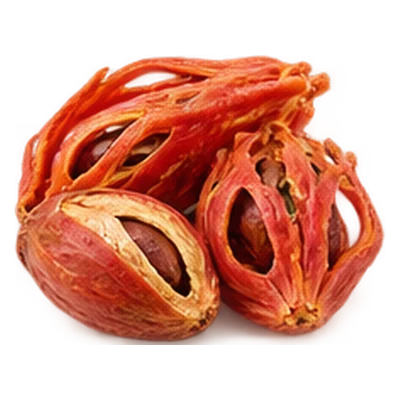
जावित्री · Javitri
Javitri is the lacy red covering of the nutmeg seed, strongly aromatic and used in both Ayurvedic and Unani traditions as a digestive and carminative spice.
Research note. Mace and nutmeg are potent, and reviews discuss toxicity at high doses. In a tea, they are present only as a gentle aroma.
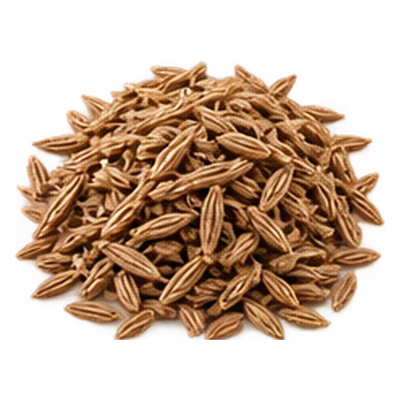
जीरा · Jeeraka
Jeeraka, "that which aids digestion", is cumin in Ayurveda. This everyday spice has traditionally been used for digestion, flatulence, dyspepsia and abdominal discomfort.
Research note. Many wellness sites overstate cumin's effects. Reviews describe the laboratory findings as preliminary.

मेथी · Methika
Fenugreek seed, methi, has a distinctive, slightly bittersweet aroma. The European Medicines Agency recognises fenugreek seed preparations for traditional use for temporary loss of appetite and, externally, for minor skin inflammations.
Research note. The EMA also found no adequate demonstration of an effect on blood sugar. This is a statement of traditional use only.
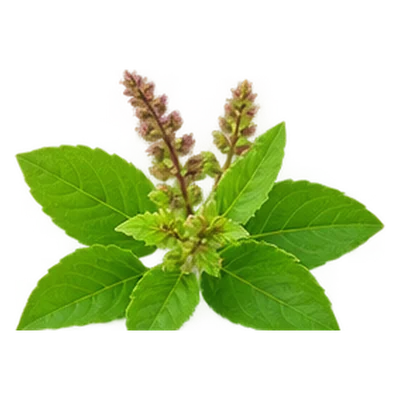
तुलसी · Holy basil
Tulsi, called the "Queen of Herbs", is sacred in Indian homes. Its leaves, seeds and root have a long place in Ayurvedic practice, used alone or with other herbs, traditionally for cough, bronchitis and fever.
Research note. Reviews describe much of tulsi's research as laboratory-based, and note it is best treated as a supportive herb under professional guidance.
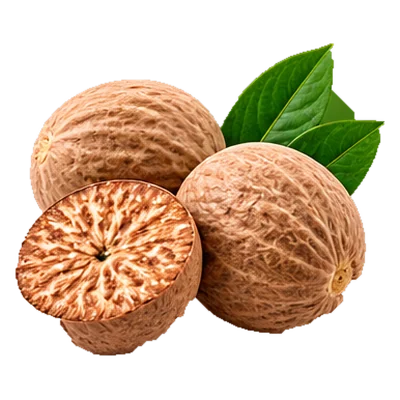
जायफल · Jaiphal
Jaiphal, nutmeg, is a warm, sweet spice of Indian kitchens. Ayurveda and other traditional systems describe it as a digestive, carminative and appetiser.
Research note. Nutmeg is potent in large amounts, and reviews discuss toxicity at high doses. In a tea it adds only a hint of warmth.
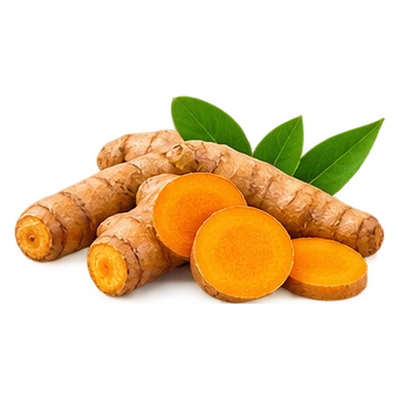
हल्दी · Haridra
Haridra, turmeric, is the golden root of Indian kitchens and rituals. Reviews describe its traditional use in Ayurveda and other Asian systems for digestive, respiratory and skin concerns.
Research note. Most scientific attention has gone to curcumin, one compound, rather than the whole root.
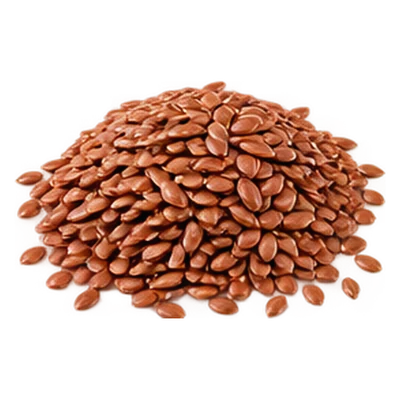
अलसी · Atasi
Flaxseed, alsi, is a small, nutty seed rich in mucilage. A European herbal monograph records the traditional use of whole flaxseed as a mucilaginous preparation for mild digestive complaints.
Research note. This is a regulatory statement about the seed on its own, not a claim about any tea.
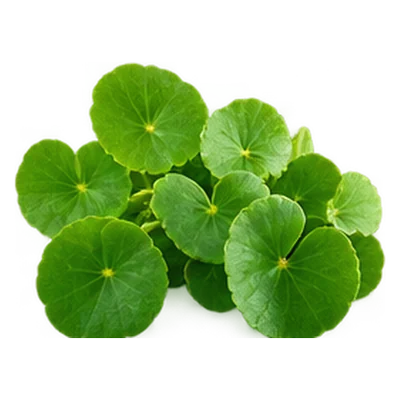
ब्राह्मी · Brahmi
In Ayurveda, brahmi belongs to the medhya rasayana, herbs traditionally valued for the mind, memory and clarity. The name is used for Bacopa monnieri and, in some regions, for Centella asiatica.
Research note. Reviews separate classical use from modern findings, and note that the name Brahmi covers more than one plant.
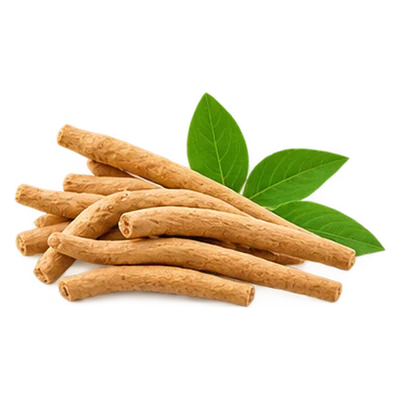
अश्वगंधा · Ashwagandha
Ashwagandha root is one of Ayurveda's best-known rasayanas, a rejuvenating tonic. It has traditionally been used as an adaptogen, for stress and vitality.
Research note. Reviews describe many studies as small and varied, and much early work as laboratory or animal research.
Important: Ayvira teas are food products. They are not medicines and are not intended to diagnose, treat, cure or prevent any disease. The notes above describe how individual ingredients are traditionally used in Ayurveda and other traditional systems, and what published reviews report about them. They are shared for general interest and cultural context only. Ayvira does not claim that its teas provide these or any other health or medical benefit. Research on many of these ingredients is limited or preclinical, and the linked sources are third-party publications that Ayvira does not control. If you are pregnant or nursing, have a medical condition or take medication, please speak with a qualified health professional before adding new herbs to your routine.
The art of a little pause
A simple guide to your first cup of Jeevras. Adjust to the way you love it.
Bring ⅔ cup of water to a boil in a pan.
Add 1 teaspoon of Jeevras per cup and sweeten to taste.
Add ⅓ cup of milk. Allow four gentle rises while stirring; lower the heat as needed.
Strain, settle in and enjoy the layers of your cup.
Four ways to pour
Jeevras is happy in every cup. Choose the way your day feels, then adjust the strength and sweetness to your taste.
Bring ⅔ cup of water to a boil. Add 1 teaspoon of Jeevras per cup and sweeten to taste. Add ⅓ cup of milk and allow four gentle rises, stirring and lowering the heat as needed. Strain and sip slowly.
Bring 1 cup of water to a boil. Add 1 teaspoon of Jeevras, lower the heat and simmer gently for 2–3 minutes. Strain and sweeten if you like. Adjust the time to your taste.
Steep 1½ teaspoons in ¾ cup of just-boiled water for 4–5 minutes. Strain and cool. Pour over ice and finish with ¼ cup of cold milk. Sweeten to taste.
Steep 1½ teaspoons in 1 cup of just-boiled water for 4–5 minutes. Strain, let it cool, then pour over ice. A slice of orange or lemon is lovely here.
Jeevras contains caffeine from black tea, so you may prefer it earlier in the day.
PEOPLE, POURS & FIRST IMPRESSIONS
Real people. Their own chai moments.
Ayvira creator collaborations SHORTS
A first look at Jeevras
Watch on YouTube ↗ SHORTS
The blend. The aroma. The ritual.
Watch on YouTube ↗ SHORTS
A moment with Jeevras
Watch on YouTube ↗Press play to load YouTube. Video playback is provided by YouTube; its privacy terms apply.
A little more to know
Jeevras combines South African rooibos with Darjeeling black tea, Indian spices and botanicals including tulsi, brahmi and ashwagandha.
No. Rooibos itself is naturally caffeine-free, but Jeevras also contains Darjeeling black tea and therefore contains caffeine.
Keep the pouch sealed in a cool, dry place away from sunlight. Refer to your pack for the best-before date.
Find Jeevras on Amazon using the button below. Amazon shows the current price, pack size, delivery and return information.
Another moment, another blend
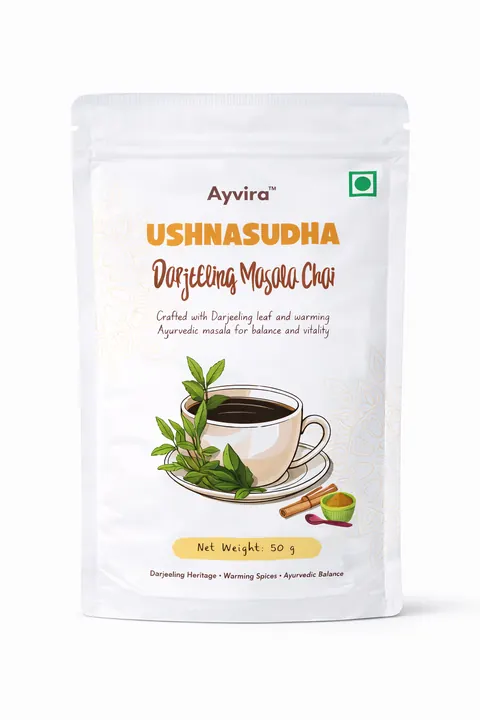 Warmth
Darjeeling Masala Chai
Darjeeling leaf. Familiar spices. The feeling of coming home.
Contains caffeine from Darjeeling tea
 Freshness
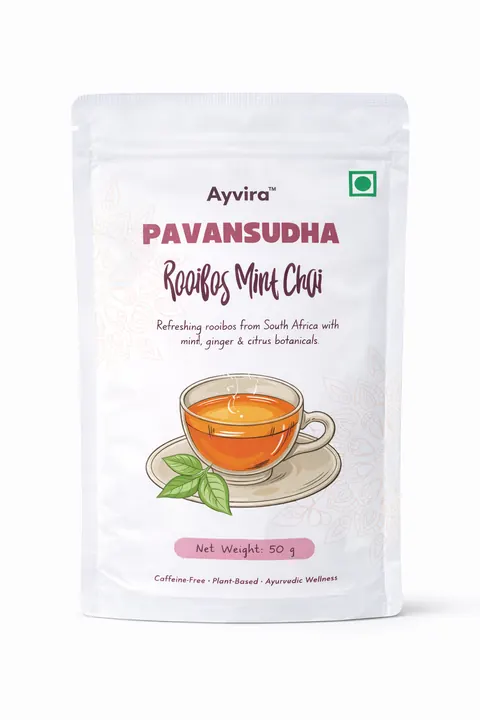
Rooibos Mint Chai
Rooibos, bright mint and citrus. Your own breath of fresh air.
Naturally caffeine-free