The Ayvira Journal / Brewing
How to Brew Masala Chai the Slow Way
Hot, iced, with milk or without. A gentle guide to making a cup you actually pause for.
Chai is not really a recipe. It is a pace. The water comes up to a boil, the spices open, the milk rises and falls, and somewhere in those few minutes you stop being in a hurry.
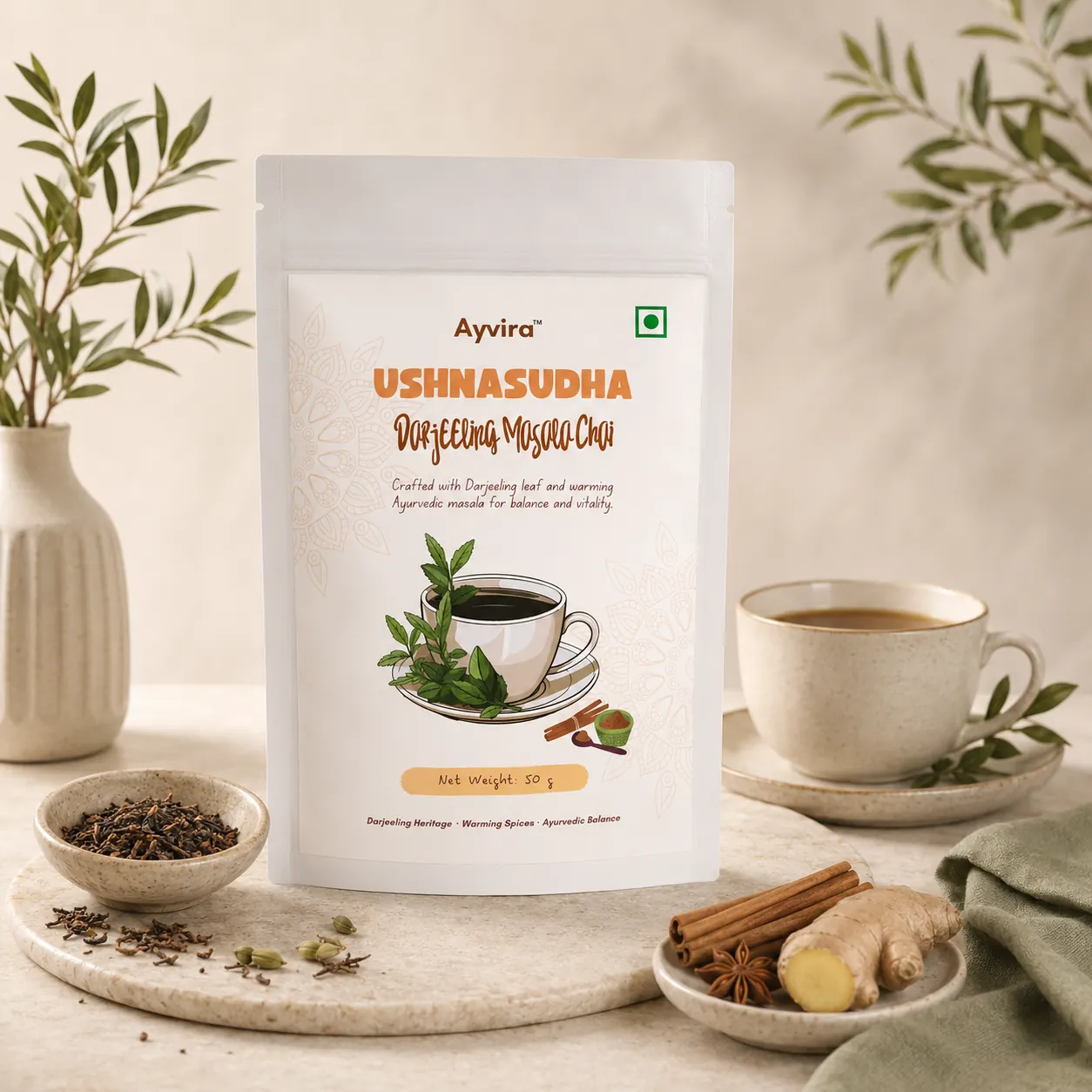
This guide is for anyone who wants that cup at home: the first-timer, the person who always ends up with chai that tastes thin or bitter, and anyone who simply wants to slow the process down enough to enjoy it. We will use Ushnasudha, a Darjeeling masala chai, but the method works for any spiced loose-leaf blend.
Don’t watch the clock. Watch the pan.
What you need
- A small saucepan (steel or enamel is lovely)
- A fine strainer
- Fresh water, ideally filtered
- Milk, if you take it (any kind works)
- Sweetener, if you like it: sugar, jaggery or honey
- One teaspoon of loose chai per cup, and a little patience
A teaspoon is a good measure to start with. Everyone’s taste is different, so treat it as a starting point and adjust over the next few cups.
Three ways to make a cup
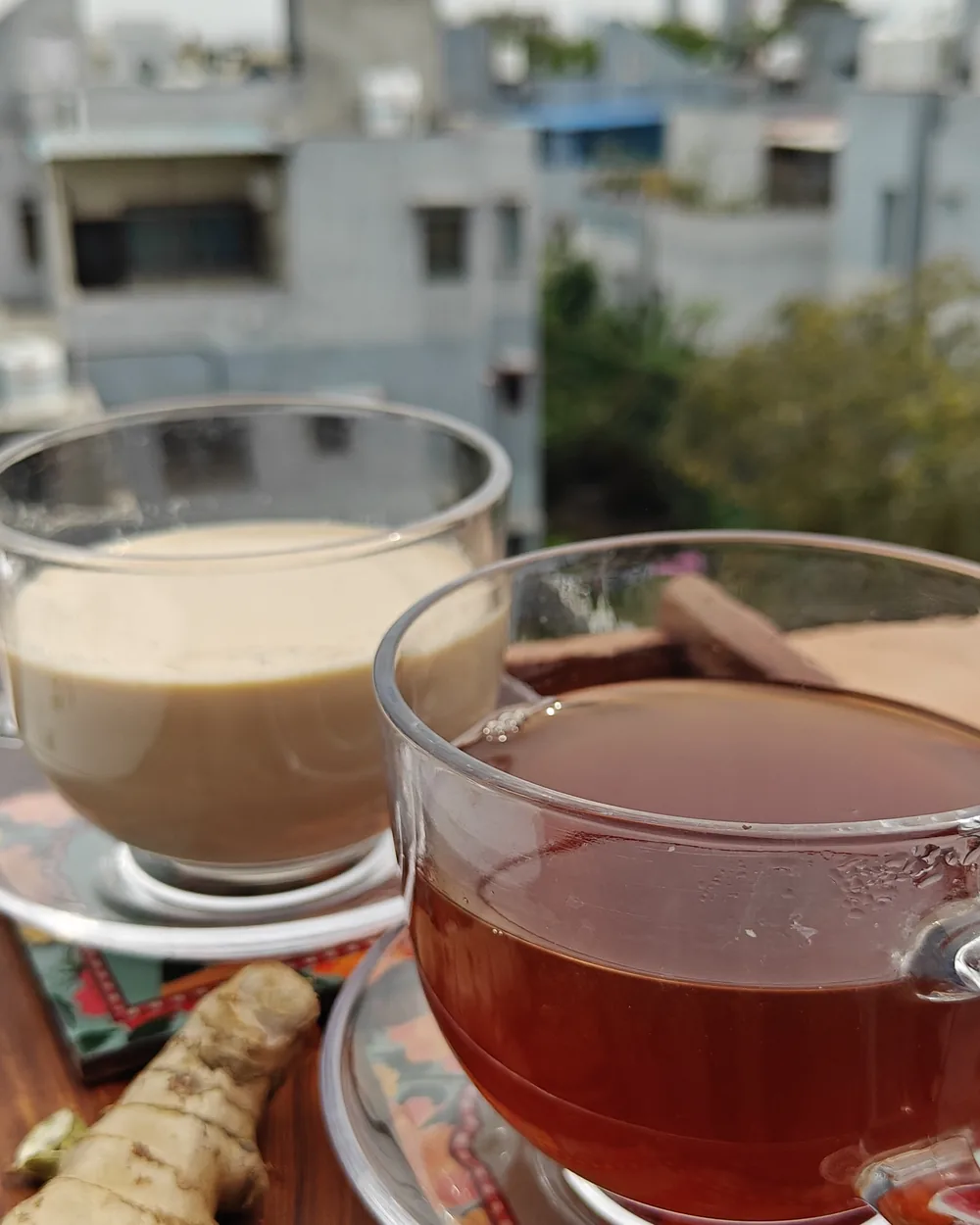
For an iced masala latte, use ¾ cup of water for the steep, let it cool, pour it over ice, and finish with about ¼ cup of cold milk.
Listen, look, smell
The best chai makers rarely look at a timer. They use their senses. Listen for the water to move from a hush to a rolling boil. Notice the moment the spices open and the kitchen smells of cardamom and clove. Watch the milk: when it climbs the wall of the pan, lower the heat and let it fall, then let it rise again. Four rises is a gentle guide, not a rule.
What can go wrong, gently
- It tastes bitter. Black tea tends to turn bitter when it is boiled hard for too long. Lower the heat and shorten the time next round.
- It tastes thin. Add a little more time before the milk, or a little more blend, rather than boiling it harder.
- It tastes flat. A tiny pinch of sweetener often brings the spices forward, even if you usually take your chai unsweetened.
- The milk curdles or skins over. Keep the heat moderate and stir as it rises.
A closer look at the spices
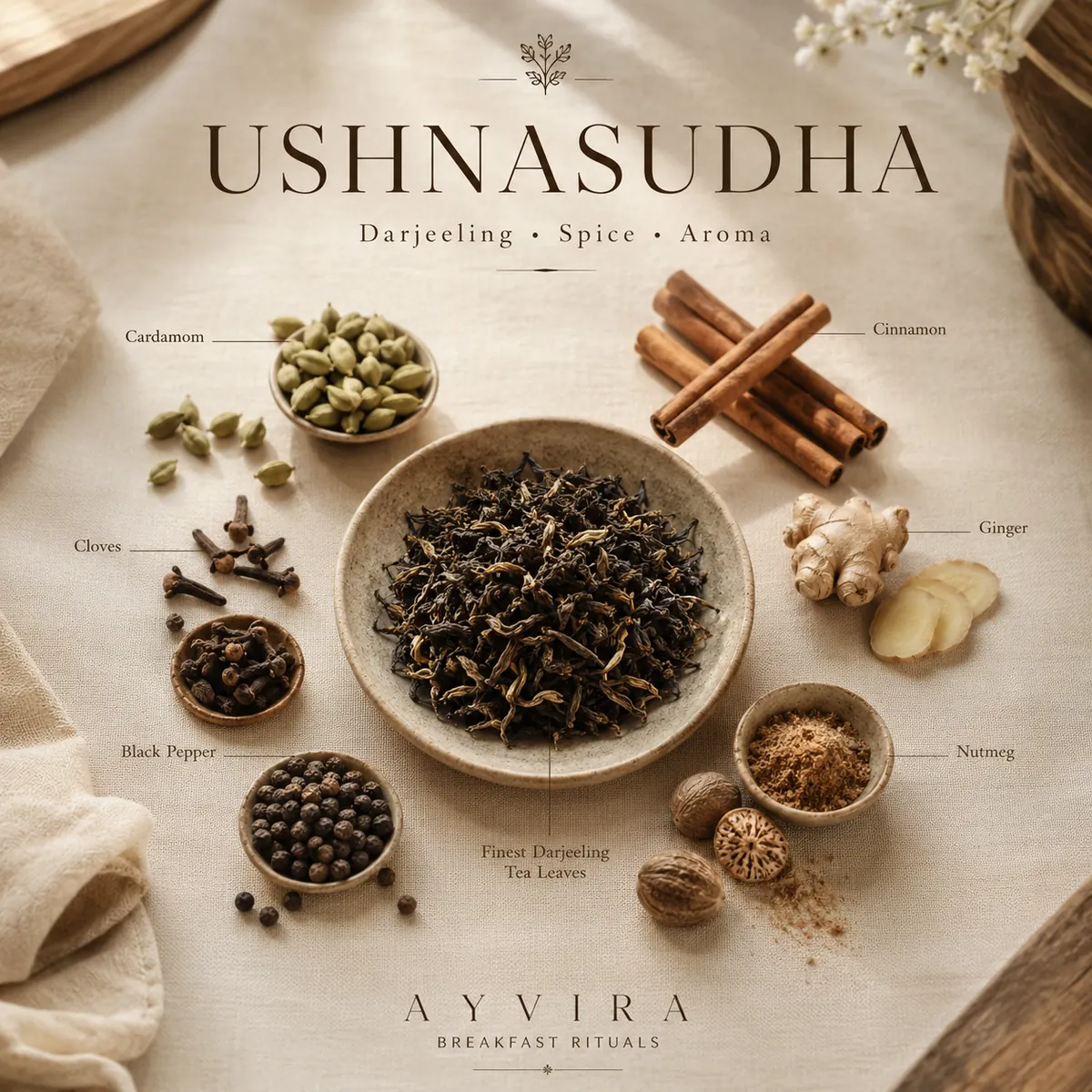
Ushnasudha pairs Darjeeling leaf with a small circle of spices from the Indian kitchen. Here is who is in the pan, with a short note on how each one has traditionally been regarded.
- Darjeeling black teaदार्जिलिंग चाय · Darjeeling tea
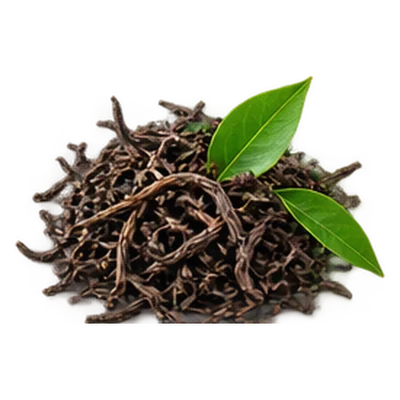
Darjeeling is a fine black tea grown in the foothills of the Himalaya, and tea itself is one of India's best-loved daily rituals.
- Cardamomइलायची · Ela
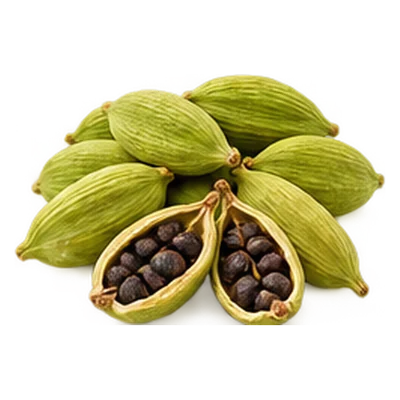
Cardamom is a fragrant, warming pod of Indian kitchens.
- Cinnamonदालचीनी · Twak
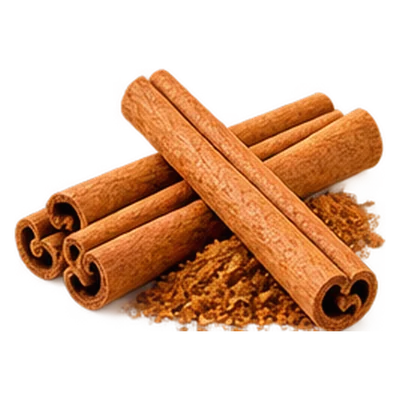
Cinnamon bark is a sweet, warming spice used across Indian kitchens and traditional medicine.
- Cloveलौंग · Lavanga
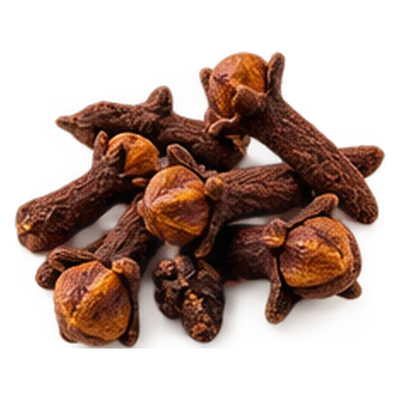
Clove, the dried flower bud known as lavanga, is a deeply aromatic spice.
- Gingerअदरक · Ardraka / Shunthi
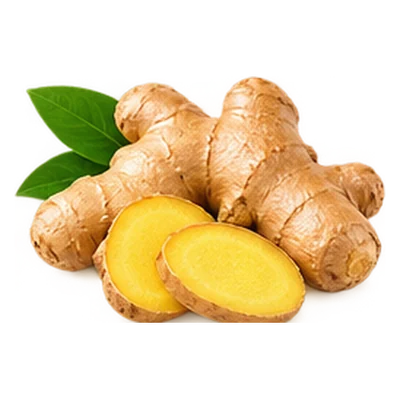
In Ayurveda, ginger, fresh (ardraka) or dried (shunthi), is honoured as Mahaushadhi, "the great medicine", and appears in a very large share of classical formulations.
- Black pepperकाली मिर्च · Maricha
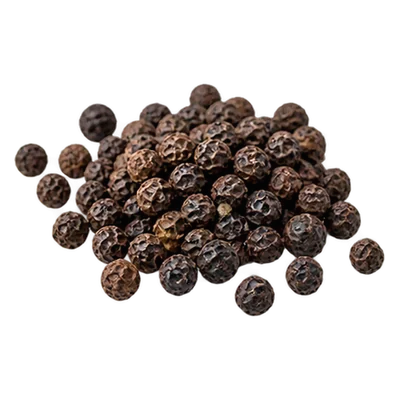
Maricha is one of the three pungent spices of Trikatu, the classical Ayurvedic trio of black pepper, long pepper and ginger.
- Nutmegजायफल · Jaiphal
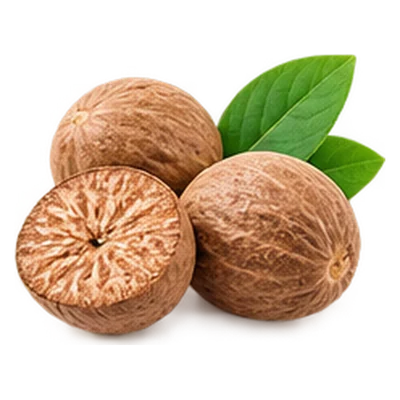
Jaiphal, nutmeg, is a warm, sweet spice of Indian kitchens.
Make it yours
Once you have the basic rhythm, play. Try a slightly longer simmer on a cold morning, or a squeeze less sweetener on a quiet evening. Pour it into a heavy cup in winter, a glass in summer. The point is not to follow the method perfectly. The point is to be there while the chai is made.
Keep reading
More from the journal.
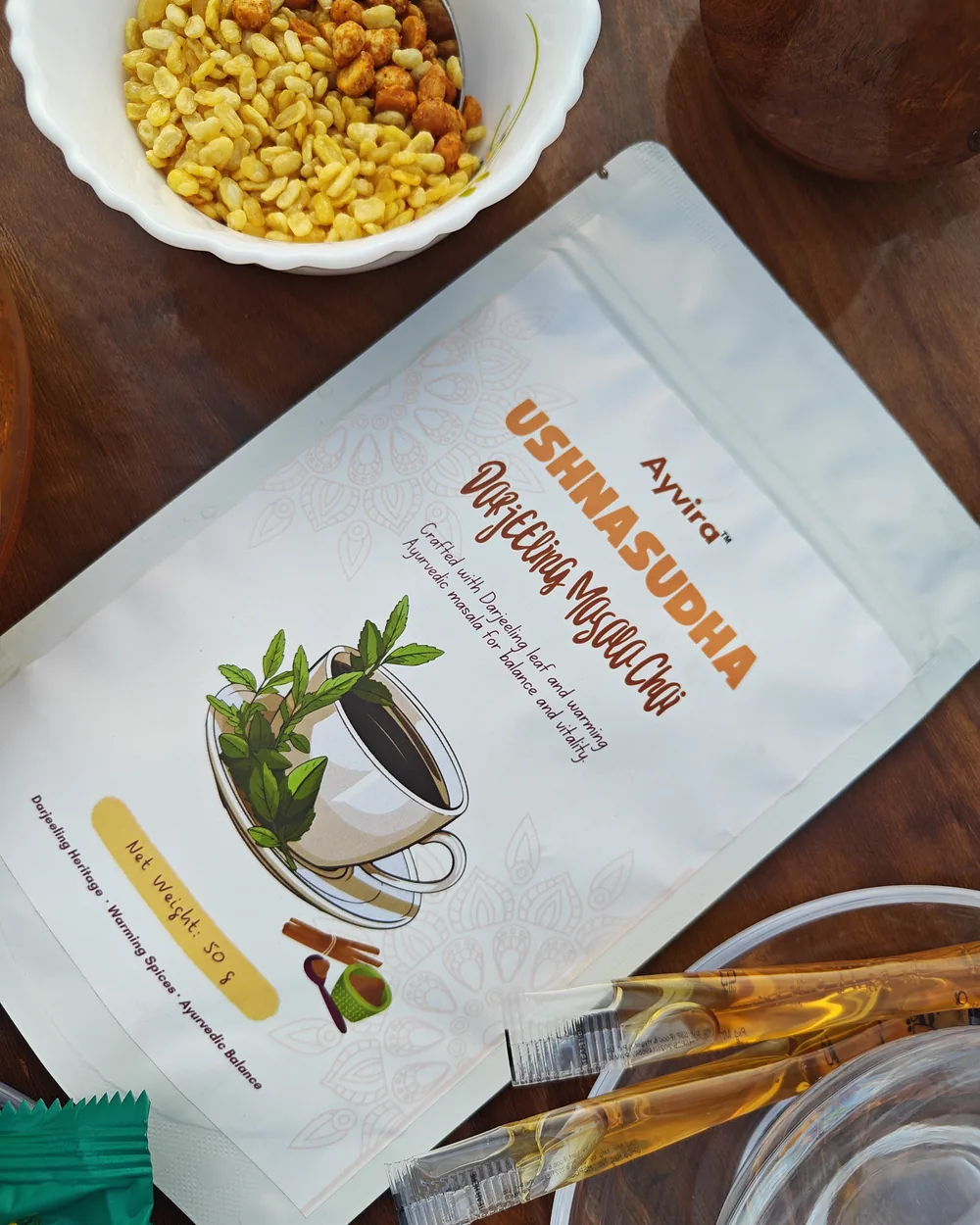
The Slow Morning Chai Ritual: Ten Minutes Before the World Wakes Up
A gentle morning routine built around the sound of boiling water, the scent of cardamom and a cup held in both hands.
Read the story ↗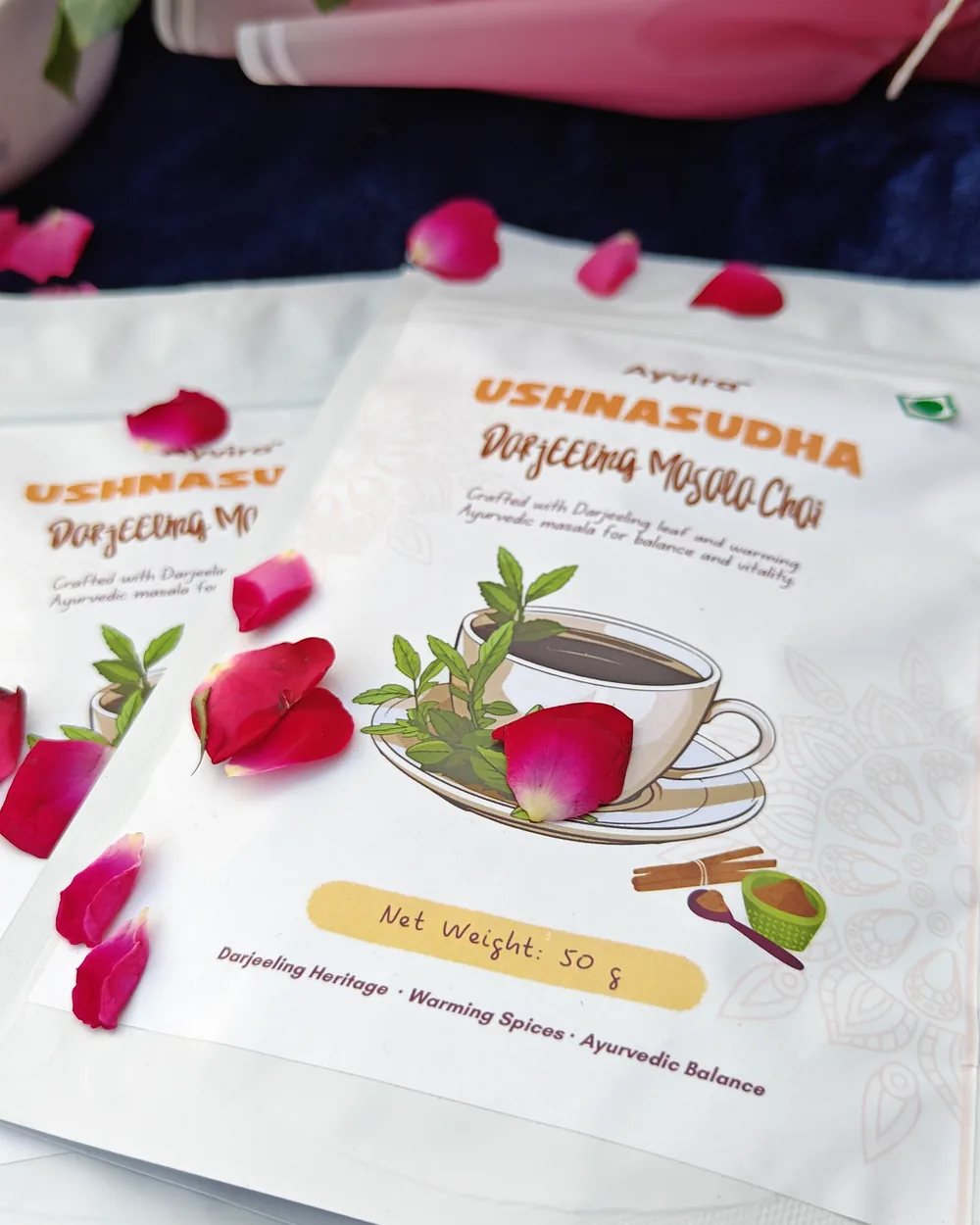
Why Darjeeling Leaf Makes a Different Kind of Masala Chai
A look at Darjeeling, the Himalayan tea region, and what a fragrant leaf changes in a cup of spiced chai.
Read the story ↗Cardamom, Clove, Cinnamon: Reading the Spice Cabinet of an Indian Kitchen
A visual guide to the spices behind a good masala chai, and how each one has traditionally been regarded.
Read the story ↗Ayvira teas are food products, not medicines, and are not intended to diagnose, treat, cure or prevent any disease. Notes about ingredients describe how they are traditionally used and what published sources report. They are shared for general interest and are not health claims for our teas. Please speak with a qualified health professional if you are pregnant, nursing, have a medical condition or take medication.