
The Ayvira Journal / Ingredients
Cardamom, Clove, Cinnamon: Reading the Spice Cabinet of an Indian Kitchen
A visual guide to the spices behind a good masala chai, and how each one has traditionally been regarded.
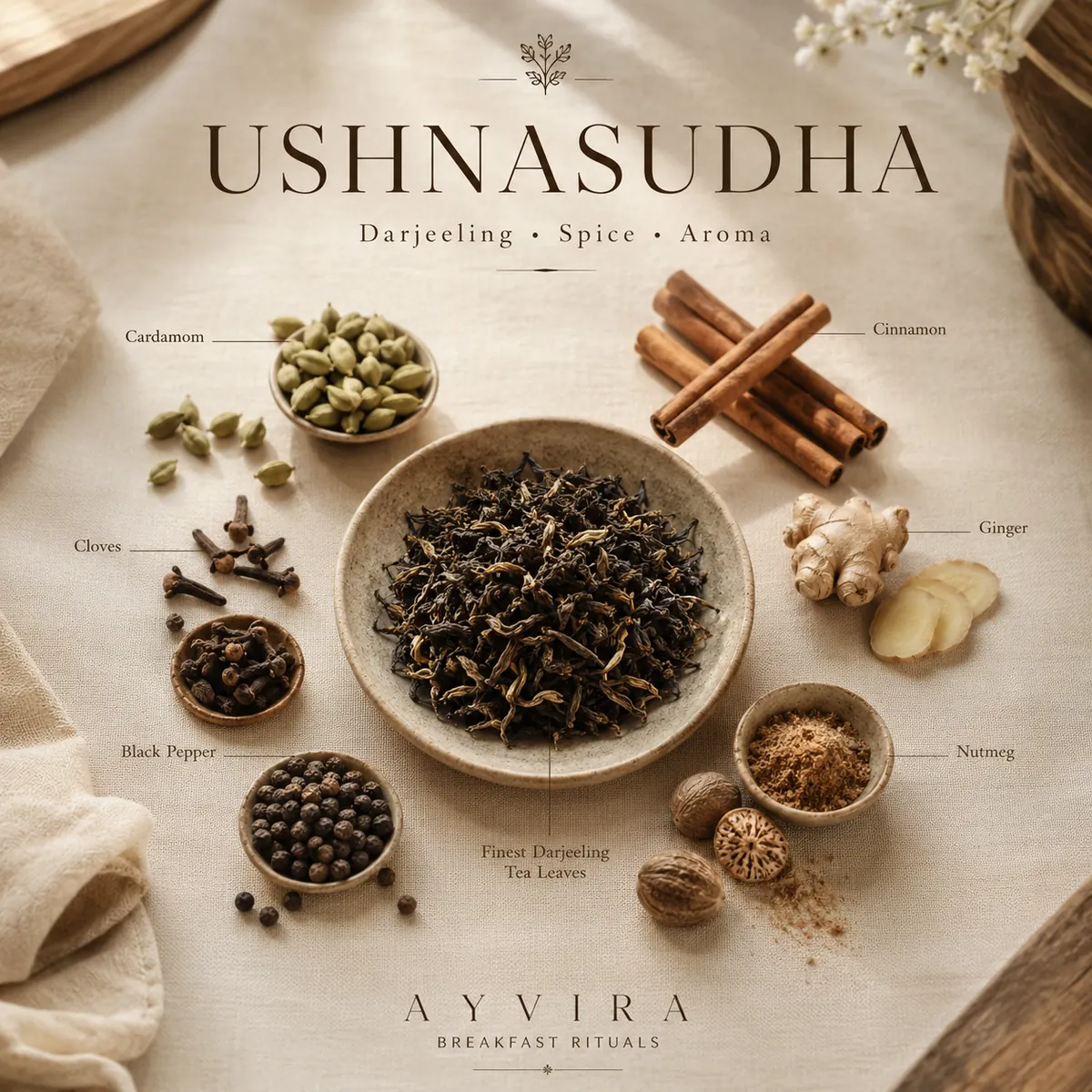
Nearly every Indian kitchen has one: a round steel tin, the masala dabba, holding a handful of small compartments. Open it and the aromas arrive before you see a thing.
This guide is a slow tour of the spices behind Ushnasudha. Each one comes with a short note on how it has traditionally been regarded, drawn from published sources linked on the Ushnasudha page. They are notes about the ingredients, not claims about the tea.
Sweet and warm
These three bring the warmth: sweet, woody and round.
- Cardamomइलायची · Ela
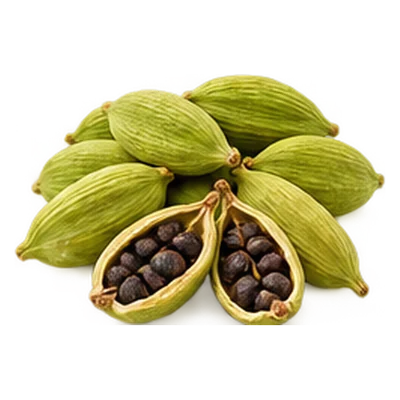
Cardamom is a fragrant, warming pod of Indian kitchens.
- Cinnamonदालचीनी · Twak
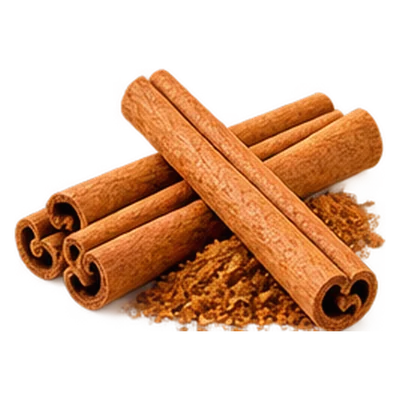
Cinnamon bark is a sweet, warming spice used across Indian kitchens and traditional medicine.
- Cloveलौंग · Lavanga
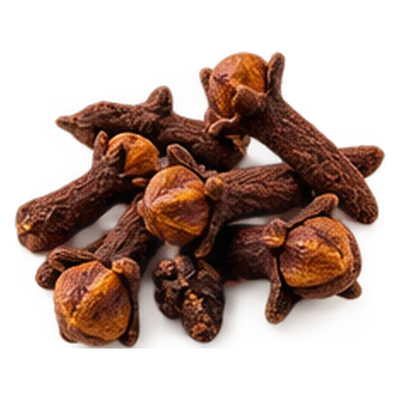
Clove, the dried flower bud known as lavanga, is a deeply aromatic spice.
Pungent and lively
Ginger and black pepper bring the edge: a gentle heat that wakes up the rest of the cup.
- Gingerअदरक · Ardraka / Shunthi
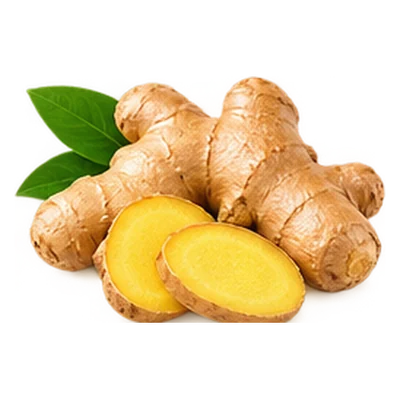
In Ayurveda, ginger, fresh (ardraka) or dried (shunthi), is honoured as Mahaushadhi, "the great medicine", and appears in a very large share of classical formulations.
- Black pepperकाली मिर्च · Maricha
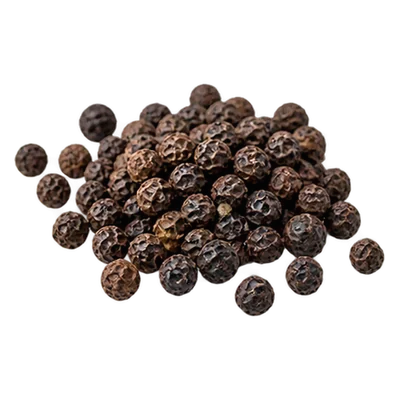
Maricha is one of the three pungent spices of Trikatu, the classical Ayurvedic trio of black pepper, long pepper and ginger.
Soft and aromatic
Nutmeg and bay leaf are the quiet ones. Used lightly, they add depth and a rounded, almost sweet fragrance.
- Nutmegजायफल · Jaiphal
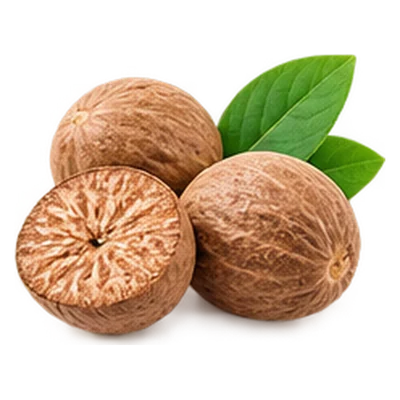
Jaiphal, nutmeg, is a warm, sweet spice of Indian kitchens.
- Bay leafतेज पत्ता · Tejpatra
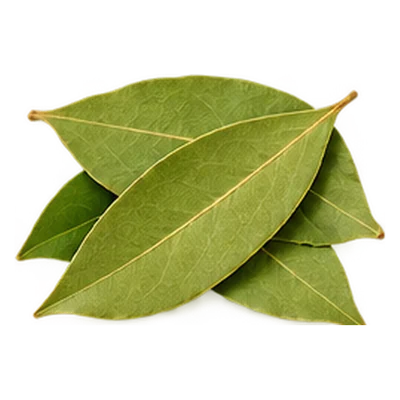
Tejpatra, the Indian bay leaf, is an aromatic leaf of Indian kitchens.
A small tasting exercise
If you have whole spices at home, try this. Take one pod of cardamom, one clove and a small piece of cinnamon. Smell each on its own. Then crush the cardamom lightly and smell it again. Notice how the aroma opens. That is exactly what happens in the pan.
Once you know each spice by scent, a cup of masala chai stops being one flavour and becomes a conversation between many.
Keep reading
More from the journal.
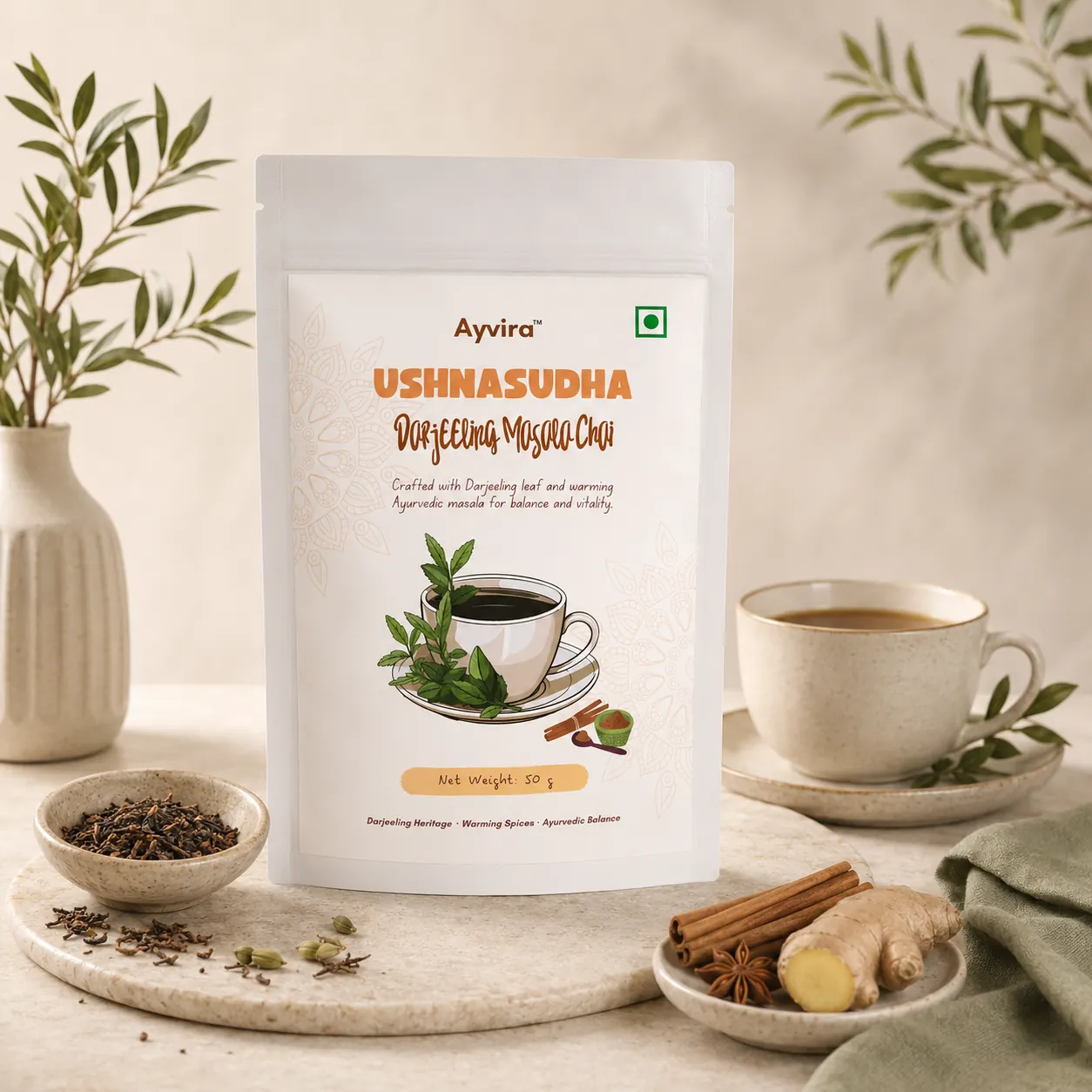
How to Brew Masala Chai the Slow Way
Hot, iced, with milk or without. A gentle guide to making a cup you actually pause for.
Read the story ↗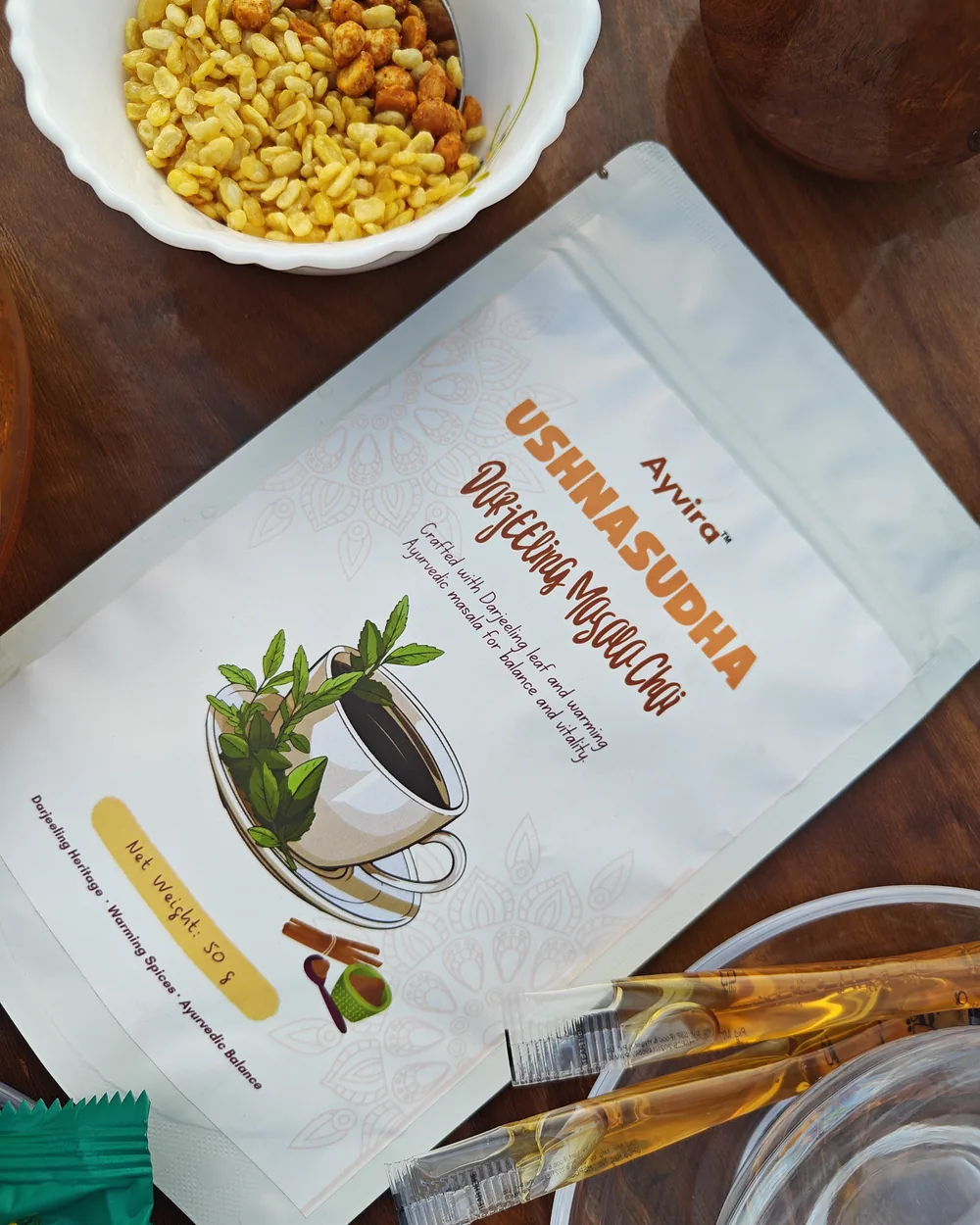
The Slow Morning Chai Ritual: Ten Minutes Before the World Wakes Up
A gentle morning routine built around the sound of boiling water, the scent of cardamom and a cup held in both hands.
Read the story ↗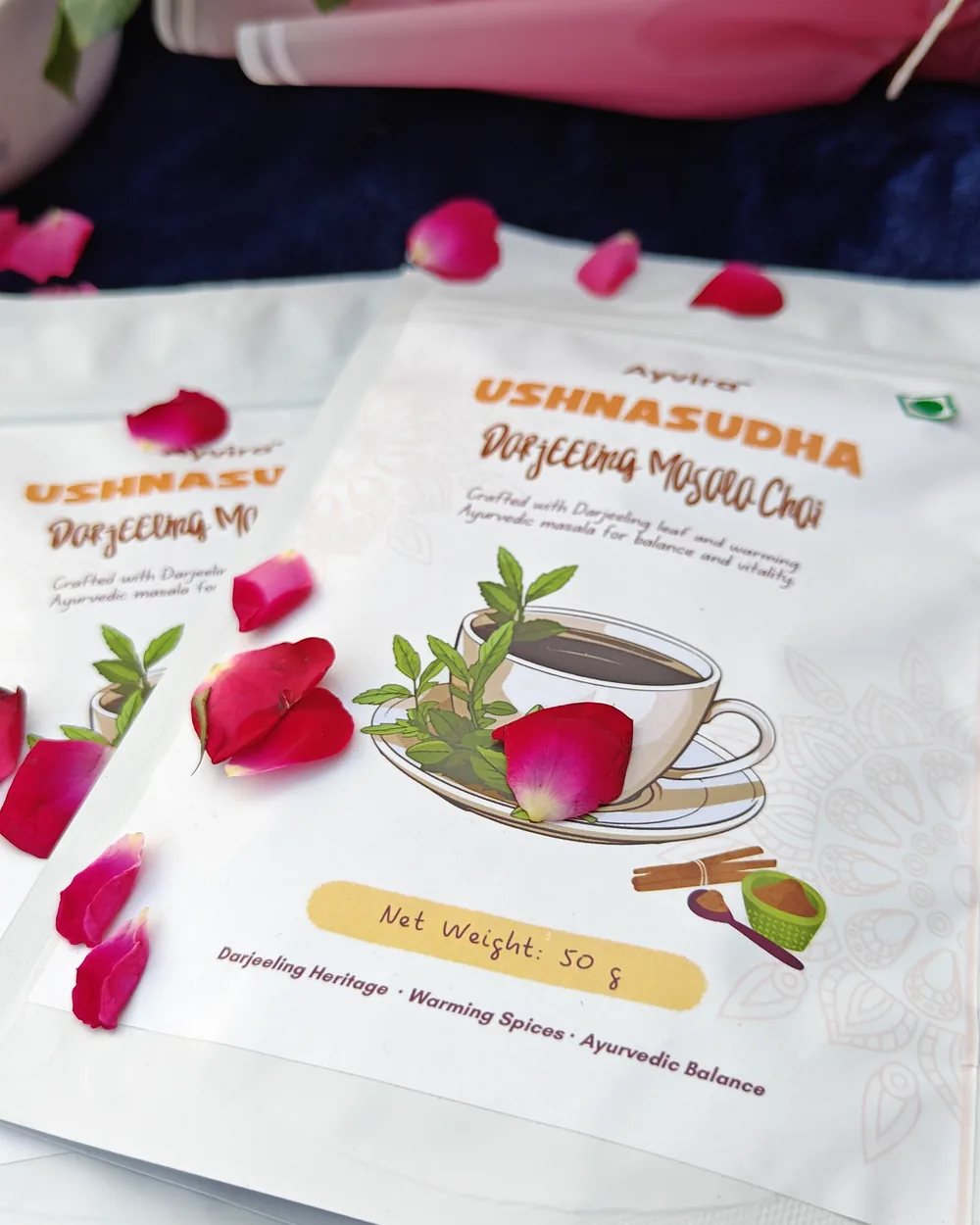
Why Darjeeling Leaf Makes a Different Kind of Masala Chai
A look at Darjeeling, the Himalayan tea region, and what a fragrant leaf changes in a cup of spiced chai.
Read the story ↗Ayvira teas are food products, not medicines, and are not intended to diagnose, treat, cure or prevent any disease. Notes about ingredients describe how they are traditionally used and what published sources report. They are shared for general interest and are not health claims for our teas. Please speak with a qualified health professional if you are pregnant, nursing, have a medical condition or take medication.