
The Ayvira Journal / Stories
Rooibos Meets Darjeeling: The Story Behind a Fusion Chai
Two mountain regions, two very different leaves, and one cup that brings them together with the spice cabinet of an Indian kitchen.
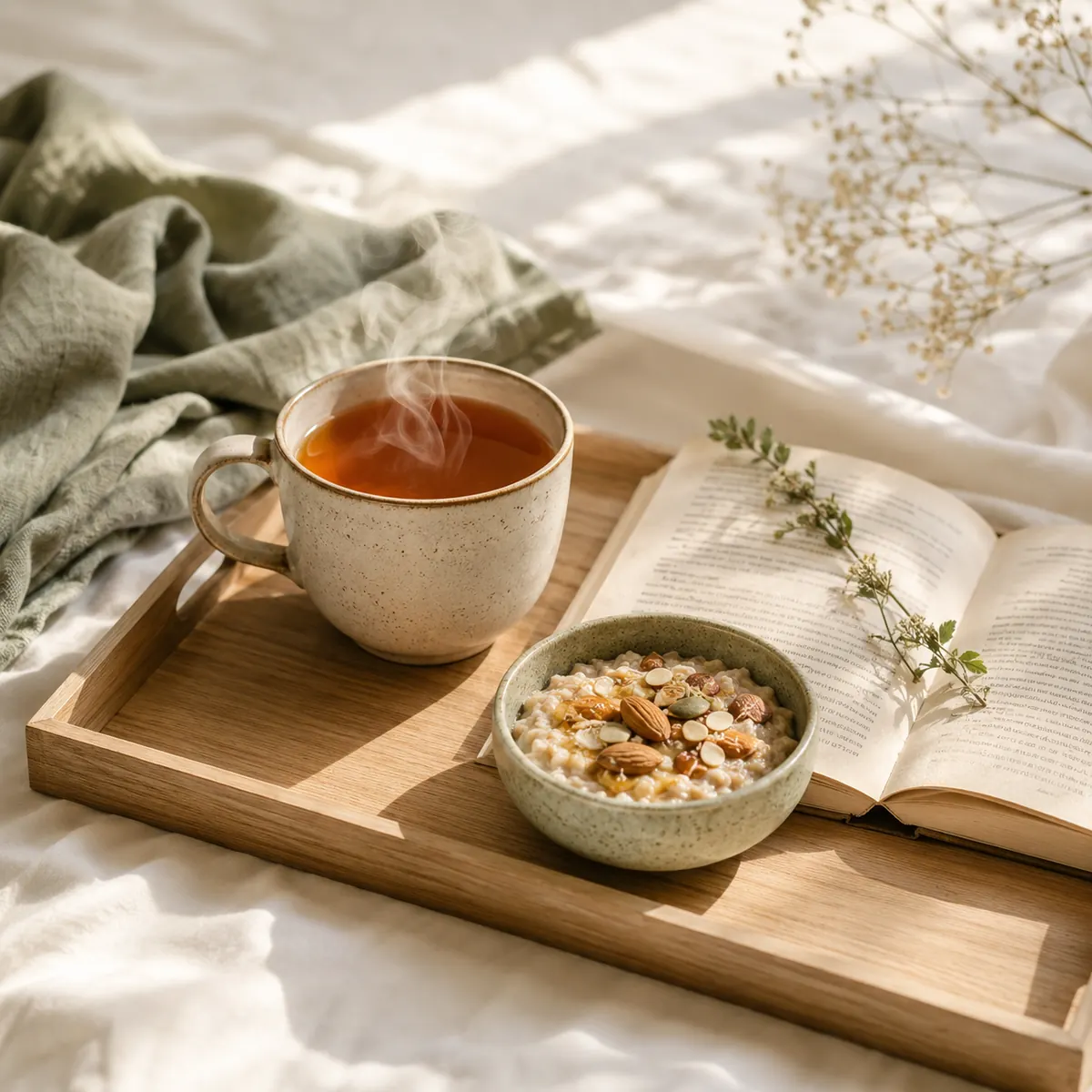
Jeevras brings two quite different leaves to the same pan, and asks them to get along with a whole circle of spices.
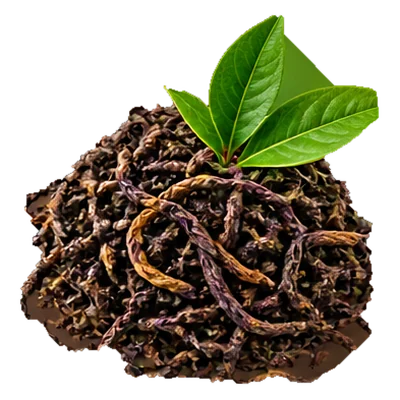
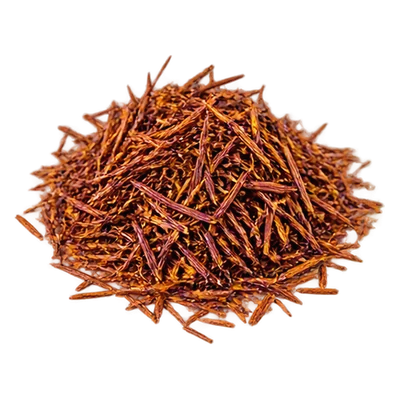
One leaf is Darjeeling, a fine black tea grown in the cool foothills of the Himalaya. The other is rooibos, the red bush of South Africa, grown in the Cederberg mountains. They have never shared a field, but in the same cup, with the spices of an Indian kitchen, they make a surprisingly harmonious pair.
Two mountains
Darjeeling tea is known for its fragrance and its brisk, aromatic character. Like every true tea, it naturally contains caffeine.
Rooibos is not a tea leaf at all. It is a herbal infusion from a South African shrub. Its name means “red bush” in Afrikaans, and it is naturally free of caffeine, low in tannins and gently sweet. Reviews also note that it contains polyphenols such as aspalathin, though most research on rooibos is laboratory-based.
- Darjeeling black teaदार्जिलिंग चाय · Darjeeling tea
- Rooibosरूइबॉस · South African herb
One leaf brings fragrance. The other brings roundness.
Then come the spices
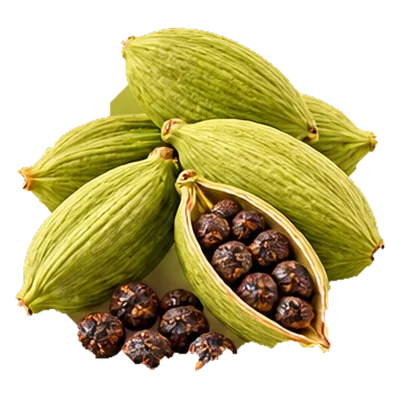
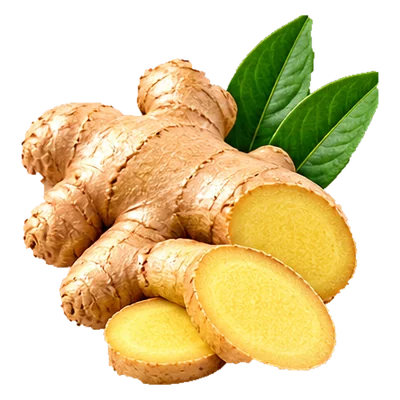
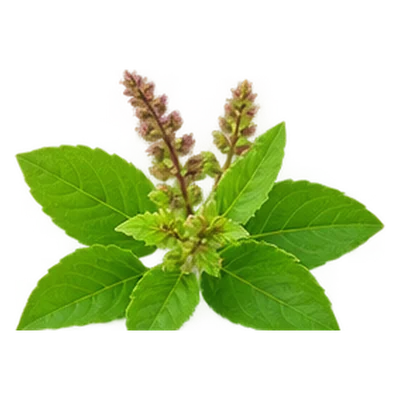
On top of that base, Jeevras brings a generous gathering from the Indian spice cabinet, along with botanicals that have a long place in Ayurvedic tradition, such as tulsi, brahmi and ashwagandha. Cardamom, cinnamon and clove bring warmth. Ginger and black pepper bring a gentle edge. Fennel and cumin add depth.
- Cardamomइलायची · Ela
- Gingerअदरक · Ardraka / Shunthi
- Tulsiतुलसी · Holy basil
In all, there are twenty-two ingredients in the pouch. If you would like to see every one of them with its traditional context and sources, we have a full walk-through in Twenty-Two Botanicals in One Cup.
Why a fusion?
Masala chai has always been a creative act. Every household has its own balance of spices. Jeevras simply extends that tradition: why should a tea base be one leaf, when two can be better than one?
The result is a cup that is earthy and aromatic at once. The rooibos gives a mellow sweetness, the Darjeeling gives structure, and the spices keep everything warm.

How we like to drink it
Bring ⅔ cup of water to a boil and add 1 teaspoon of Jeevras per cup. Sweeten to taste. Add ⅓ cup of milk and let it rise four times, stirring. Strain and settle in. Without milk, simmer 1 cup of water with 1 teaspoon for 2 to 3 minutes.
It suits the afternoon pause: the gap between one thing and the next, when a few quiet minutes can reset the whole day.
Keep reading
More from the journal.
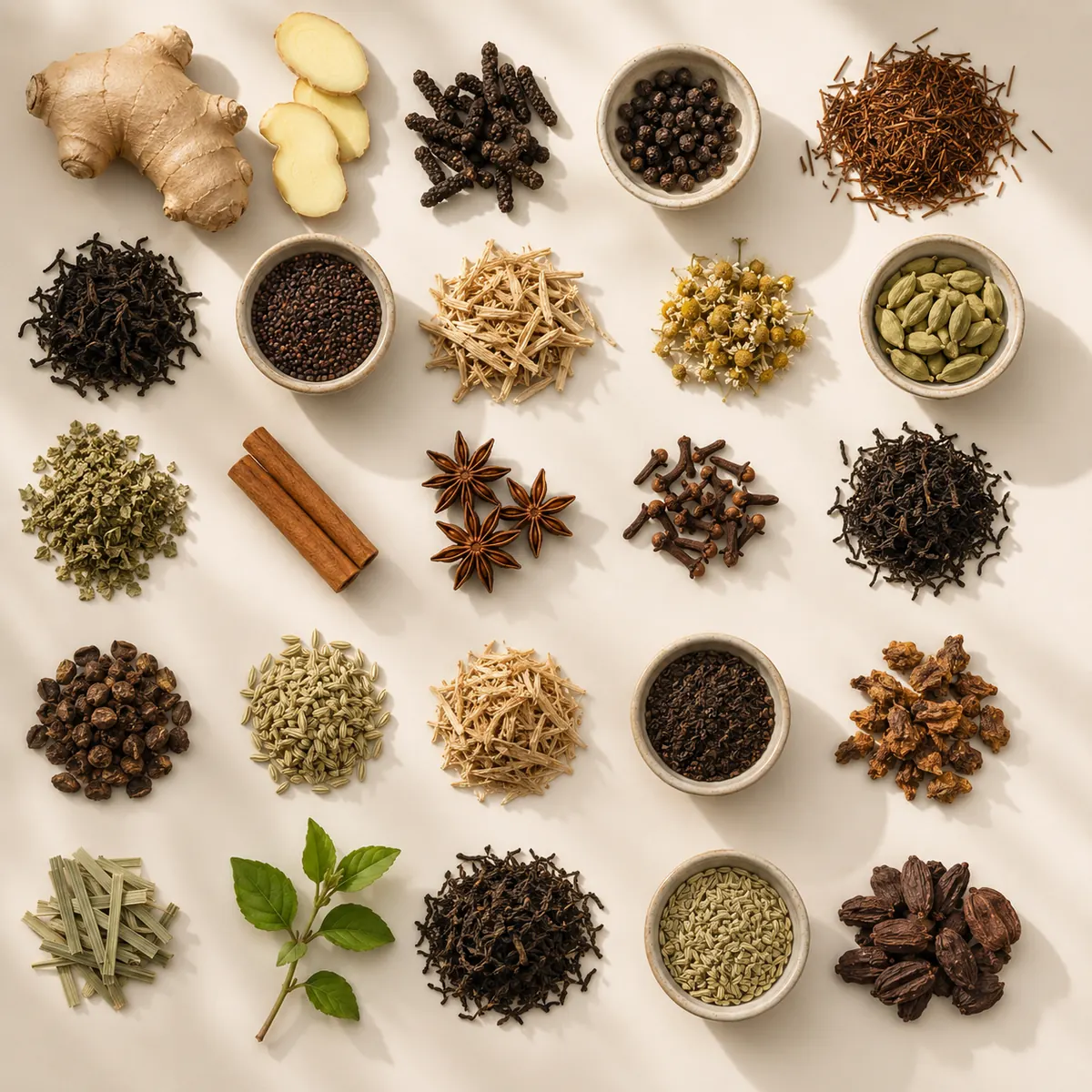
Twenty-Two Botanicals in One Cup
A guided walk through everything inside Jeevras, and what each ingredient has traditionally meant in Indian kitchens.
Read the story ↗The Afternoon Pause: A Fifteen-Minute Chai Ritual for a Busy Workday
A short reset between meetings, built around one good cup and a few minutes away from the screen.
Read the story ↗
Tulsi, Brahmi, Ashwagandha: How India’s Kitchens and Ayurveda Have Always Seen These Herbs
Three much-loved herbs in the Jeevras blend, and what published sources say about their traditional place.
Read the story ↗Ayvira teas are food products, not medicines, and are not intended to diagnose, treat, cure or prevent any disease. Notes about ingredients describe how they are traditionally used and what published sources report. They are shared for general interest and are not health claims for our teas. Please speak with a qualified health professional if you are pregnant, nursing, have a medical condition or take medication.