
The Ayvira Journal / Ingredients
Twenty-Two Botanicals in One Cup
A guided walk through everything inside Jeevras, and what each ingredient has traditionally meant in Indian kitchens.
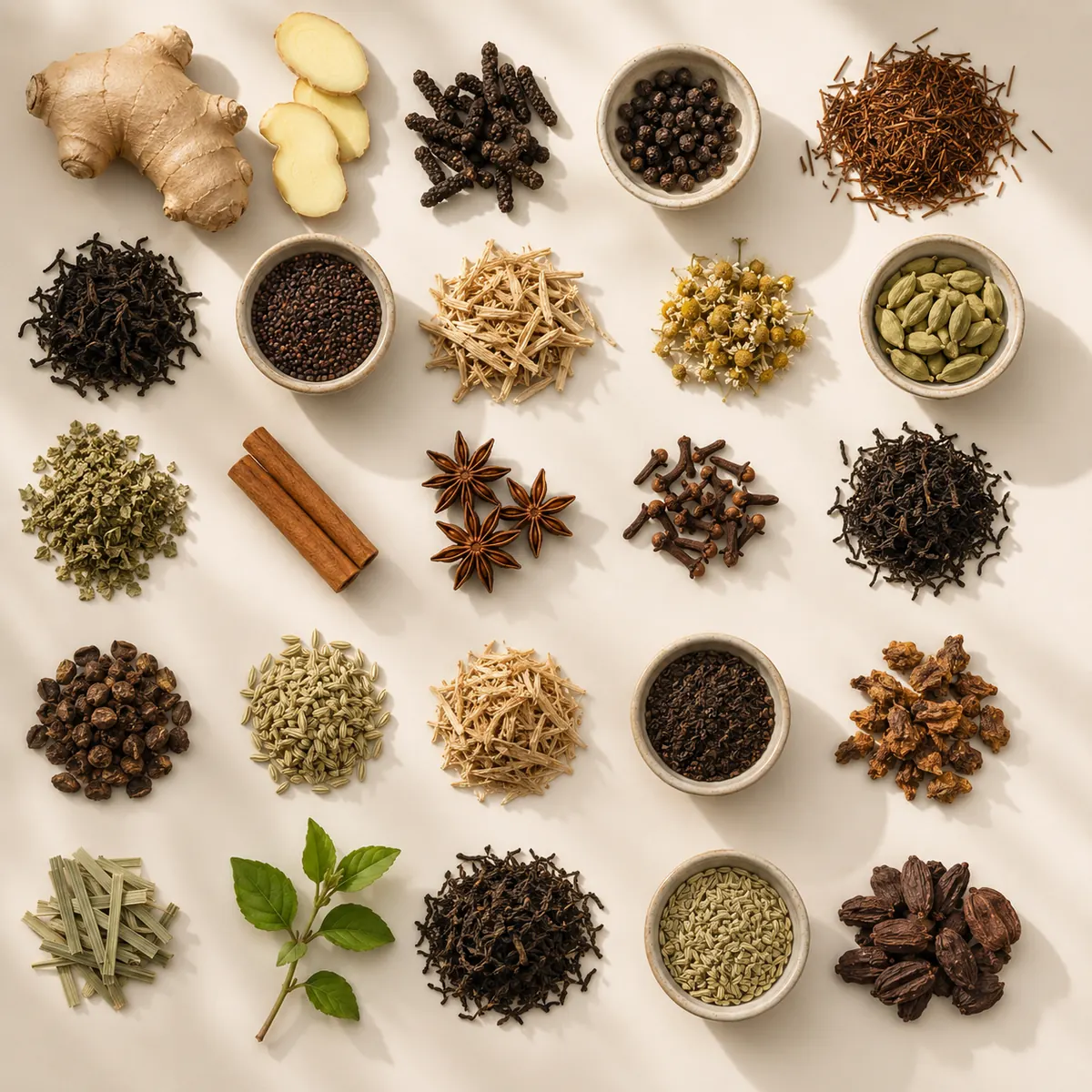
Jeevras is a name with two halves: jeev, life, and ras, essence. It is also, quite literally, a gathering. Open the pouch and you will find twenty-two ingredients: two teas and a wide circle of spices, seeds, roots and herbs.
This page is a slow walk through all of them. For each one, we share a line on how it has traditionally been regarded. These are notes about the ingredients themselves, drawn from published sources linked on the Jeevras page, and they are not claims about the tea.
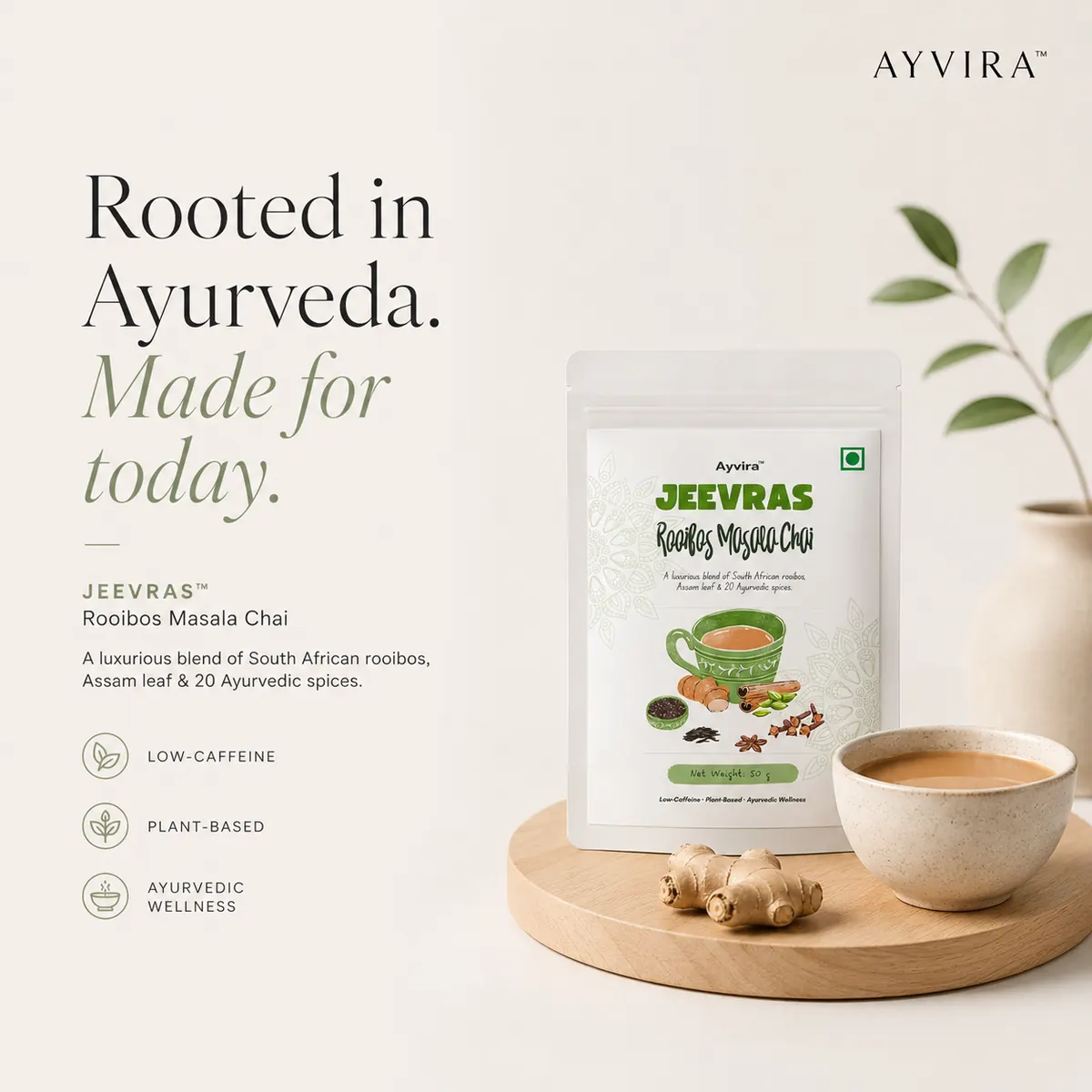
The two leaves
Every cup begins with its base. Jeevras is a fusion of two traditions: an Indian black tea from the Himalayan foothills and a South African herbal infusion from the Cederberg mountains.
- Darjeeling black teaदार्जिलिंग चाय · Darjeeling tea
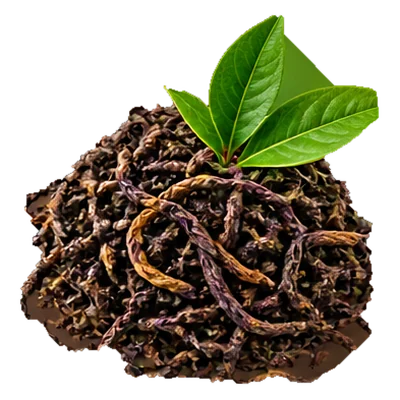
Darjeeling is a fine black tea grown in the foothills of the Himalaya, and tea itself is one of India's best-loved daily rituals.
- Rooibosरूइबॉस · South African herb
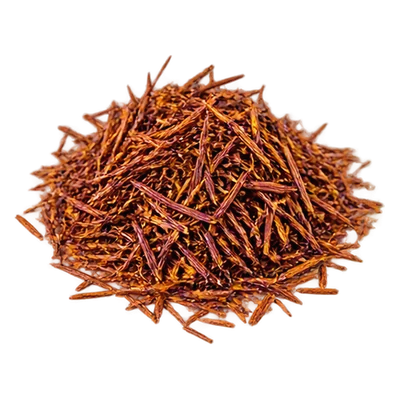
Rooibos is a South African herbal infusion, not part of classical Ayurveda.
Sweet and warming
These are the aromas most people associate with a masala chai: sweet, warm, slightly woody. Together they give the cup its comforting, familiar character.
- Cardamomइलायची · Ela
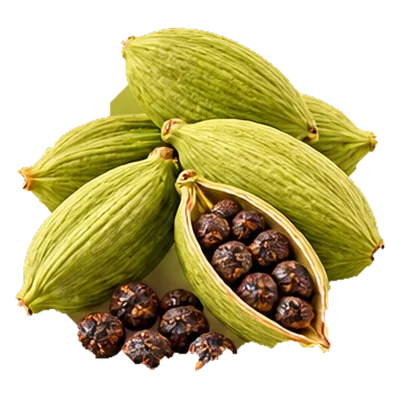
Cardamom is a fragrant, warming pod of Indian kitchens.
- Cinnamonदालचीनी · Twak
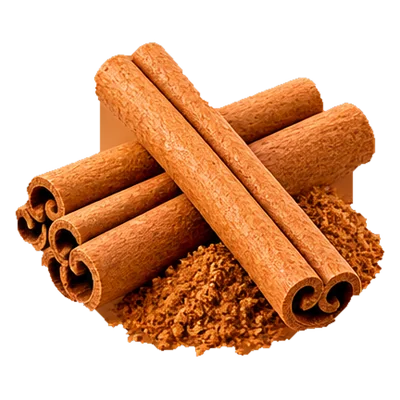
Cinnamon bark is a sweet, warming spice used across Indian kitchens and traditional medicine.
- Cloveलौंग · Lavanga
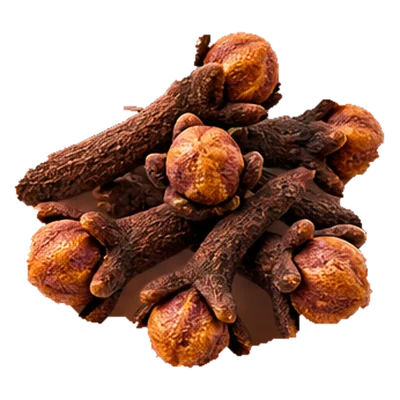
Clove, the dried flower bud known as lavanga, is a deeply aromatic spice.
- Nutmegजायफल · Jaiphal
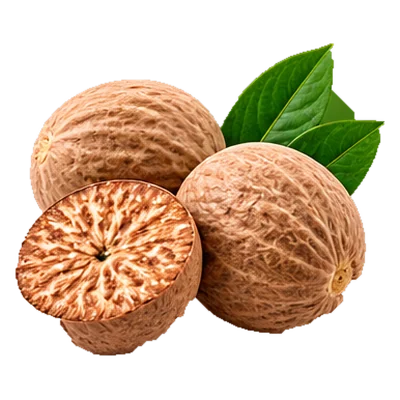
Jaiphal, nutmeg, is a warm, sweet spice of Indian kitchens.
- Javitri (mace)जावित्री · Javitri
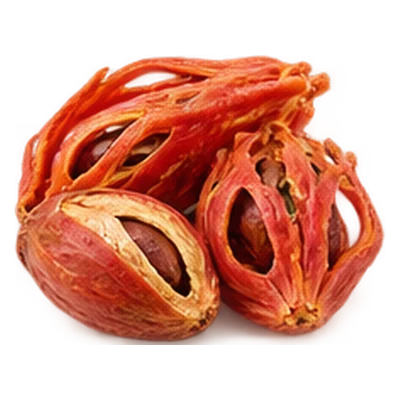
Javitri is the lacy red covering of the nutmeg seed, strongly aromatic and used in both Ayurvedic and Unani traditions as a digestive and carminative spice.
- Star aniseचक्रफूल · Chakraphool
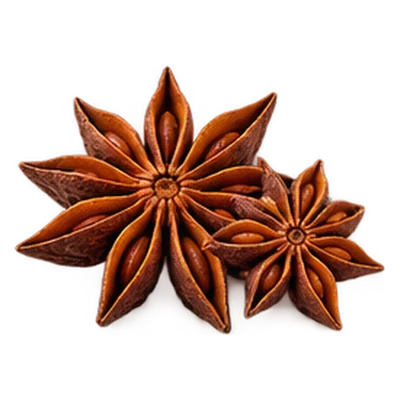
Star anise is a beautiful, sweetly aromatic spice.
- Bay leafतेज पत्ता · Tejpatra
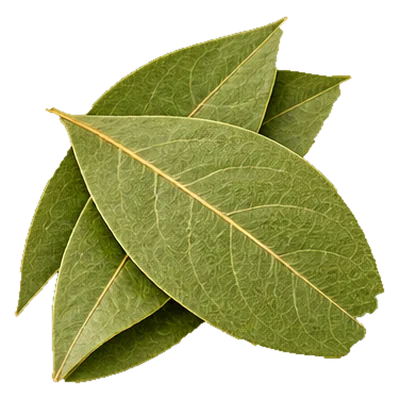
Tejpatra, the Indian bay leaf, is an aromatic leaf of Indian kitchens.
- Licoriceमुलेठी · Yashtimadhu
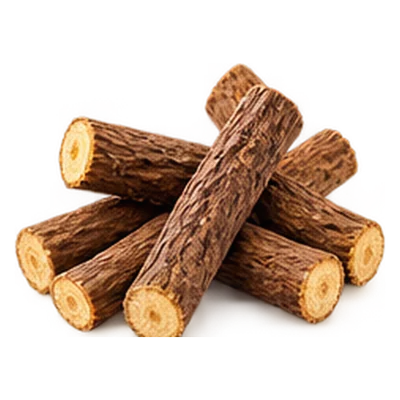
Licorice root, yashtimadhu or mulethi, is prized in Ayurveda for its sweet, cooling character.
The pungent family
Black pepper, long pepper and ginger form Trikatu, a classical trio in Ayurvedic texts. Ajwain brings a sharp, earthy note to the same family of kitchen spices.
- Black pepperकाली मिर्च · Maricha
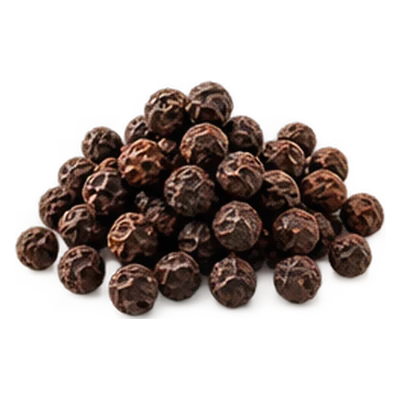
Maricha is one of the three pungent spices of Trikatu, the classical Ayurvedic trio of black pepper, long pepper and ginger.
- Pippali (long pepper)पिप्पली · Pippali
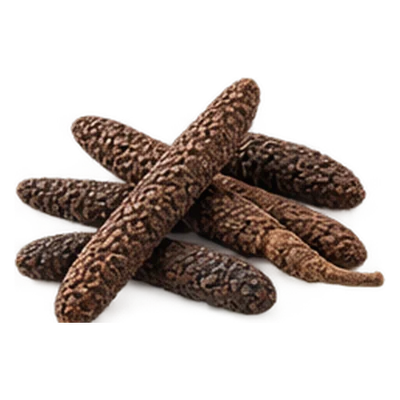
Pippali is the third pungent spice of Trikatu, alongside black pepper and ginger.
- Gingerअदरक · Ardraka / Shunthi
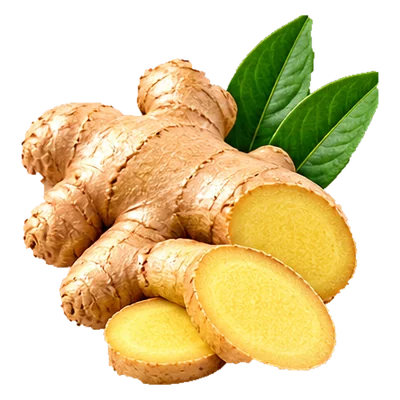
In Ayurveda, ginger, fresh (ardraka) or dried (shunthi), is honoured as Mahaushadhi, "the great medicine", and appears in a very large share of classical formulations.
- Ajwainअजवाइन · Yavanika
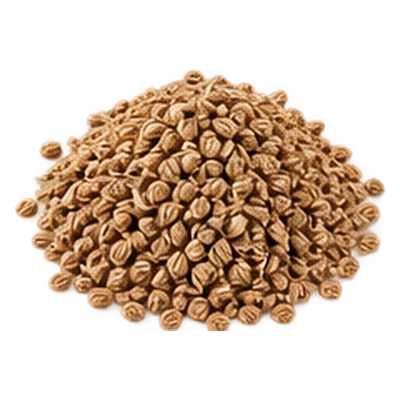
Ajwain, called Bhootika or Yavanika in the Charaka and Sushruta Samhitas, is a pungent seed of Indian kitchens.
Seeds of the kitchen
Small seeds do a lot of quiet work in an Indian kitchen. In the cup they add depth, a little sweetness and a rounded finish.
- Fennelसौंफ · Saunf
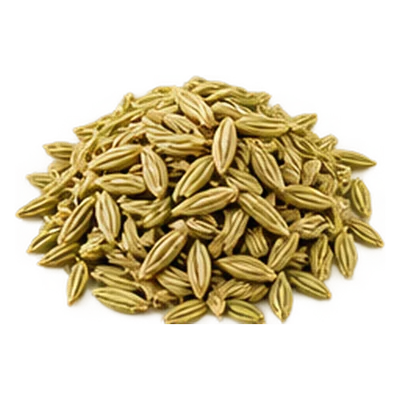
Fennel seed, saunf, is chewed after meals across India for its sweet, cooling taste.
- Cuminजीरा · Jeeraka
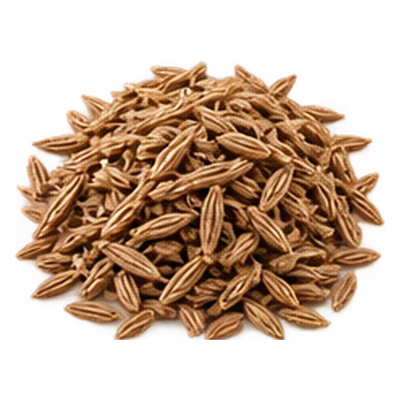
Jeeraka, "that which aids digestion", is cumin in Ayurveda.
- Fenugreekमेथी · Methika
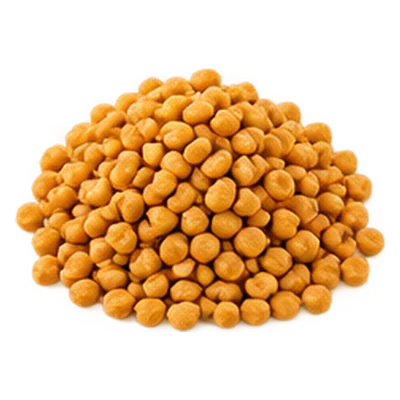
Fenugreek seed, methi, has a distinctive, slightly bittersweet aroma.
- Flaxseedअलसी · Atasi
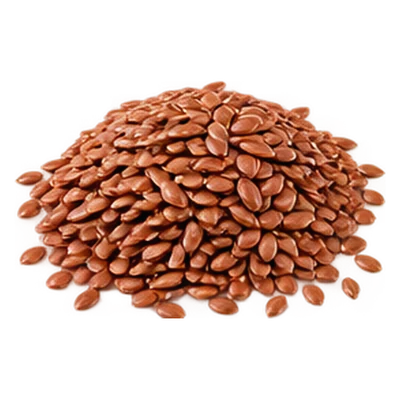
Flaxseed, alsi, is a small, nutty seed rich in mucilage.
Roots and herbs of the tradition
The last circle is the most traditional. Turmeric, tulsi, brahmi and ashwagandha each have a long place in Indian homes and in Ayurvedic practice, and each has its own story.
- Turmericहल्दी · Haridra
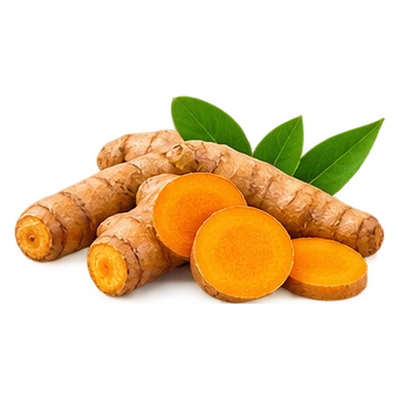
Haridra, turmeric, is the golden root of Indian kitchens and rituals.
- Tulsiतुलसी · Holy basil
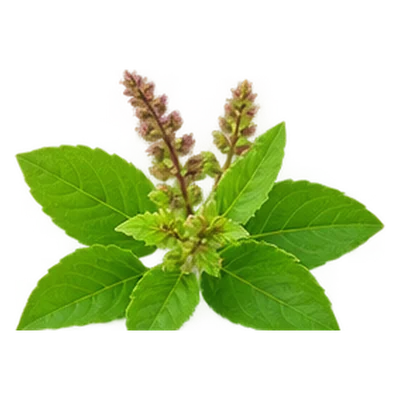
Tulsi, called the "Queen of Herbs", is sacred in Indian homes.
- Brahmiब्राह्मी · Brahmi
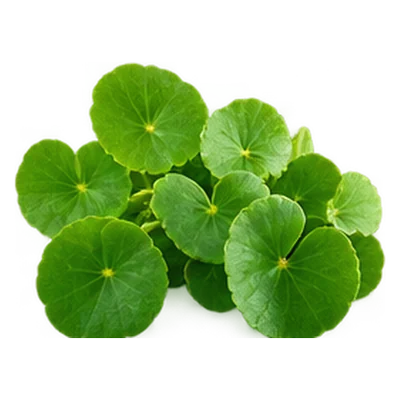
In Ayurveda, brahmi belongs to the medhya rasayana, herbs traditionally valued for the mind, memory and clarity.
- Ashwagandhaअश्वगंधा · Ashwagandha
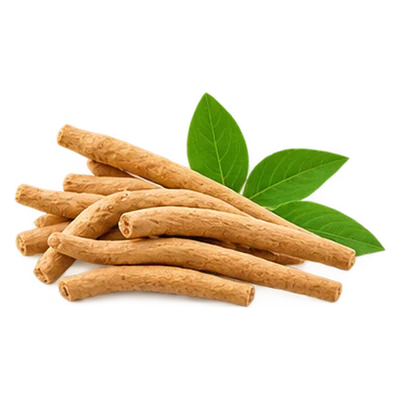
Ashwagandha root is one of Ayurveda's best-known rasayanas, a rejuvenating tonic.
Twenty-two ingredients. One unhurried cup.
How to enjoy it
Bring ⅔ cup of water to a boil, add 1 teaspoon of Jeevras per cup, sweeten to taste, then add ⅓ cup of milk and let it rise gently four times. Strain, settle in and notice the layers: the earthy base, the sweet spices, the warm finish.
It is just as good without milk, simmered for 2 to 3 minutes, or steeped strong and poured over ice.
Keep reading
More from the journal.
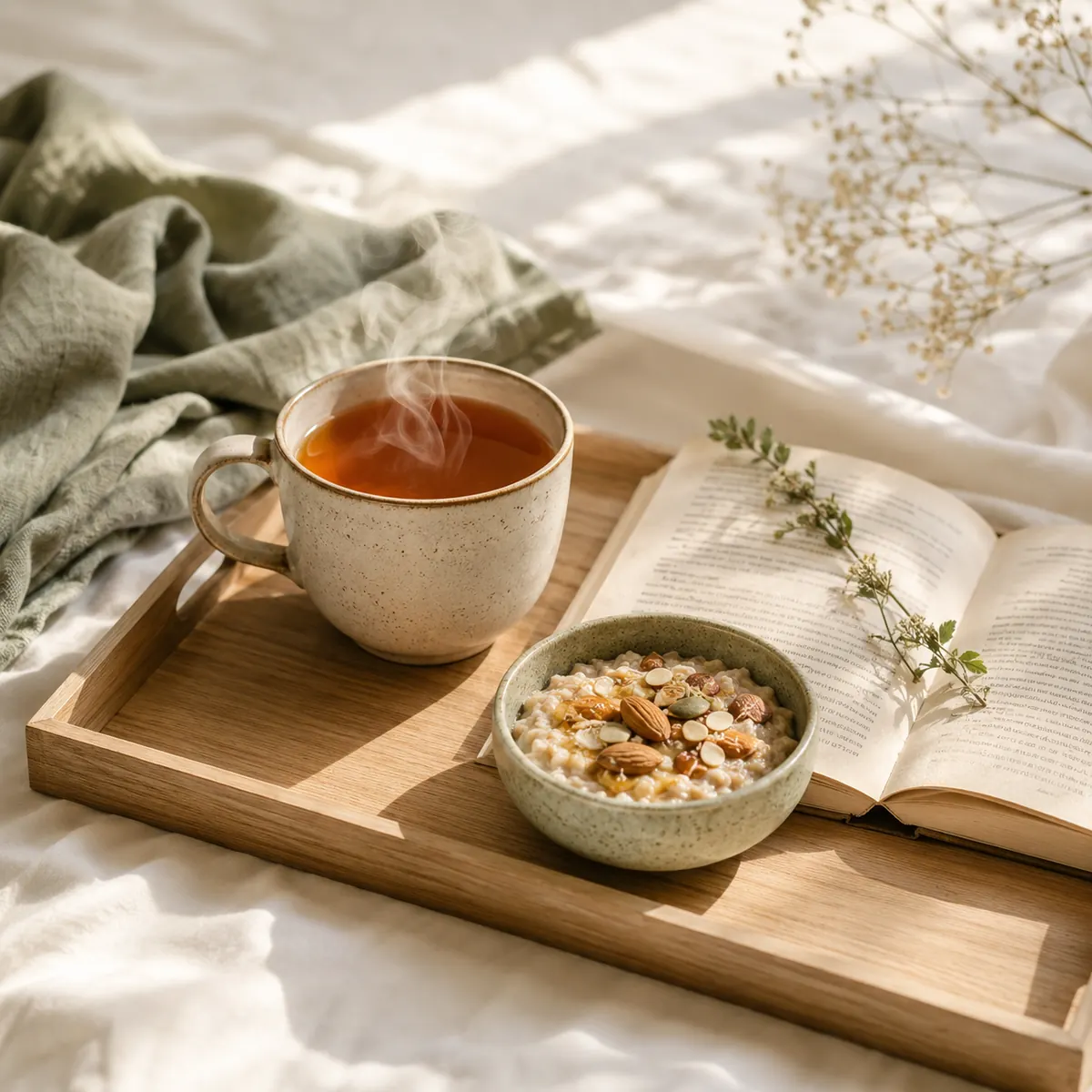
Rooibos Meets Darjeeling: The Story Behind a Fusion Chai
Two mountain regions, two very different leaves, and one cup that brings them together with the spice cabinet of an Indian kitchen.
Read the story ↗
The Afternoon Pause: A Fifteen-Minute Chai Ritual for a Busy Workday
A short reset between meetings, built around one good cup and a few minutes away from the screen.
Read the story ↗
Tulsi, Brahmi, Ashwagandha: How India’s Kitchens and Ayurveda Have Always Seen These Herbs
Three much-loved herbs in the Jeevras blend, and what published sources say about their traditional place.
Read the story ↗Ayvira teas are food products, not medicines, and are not intended to diagnose, treat, cure or prevent any disease. Notes about ingredients describe how they are traditionally used and what published sources report. They are shared for general interest and are not health claims for our teas. Please speak with a qualified health professional if you are pregnant, nursing, have a medical condition or take medication.