
The Ayvira Journal / Ingredients
Tulsi, Brahmi, Ashwagandha: How India’s Kitchens and Ayurveda Have Always Seen These Herbs
Three much-loved herbs in the Jeevras blend, and what published sources say about their traditional place.
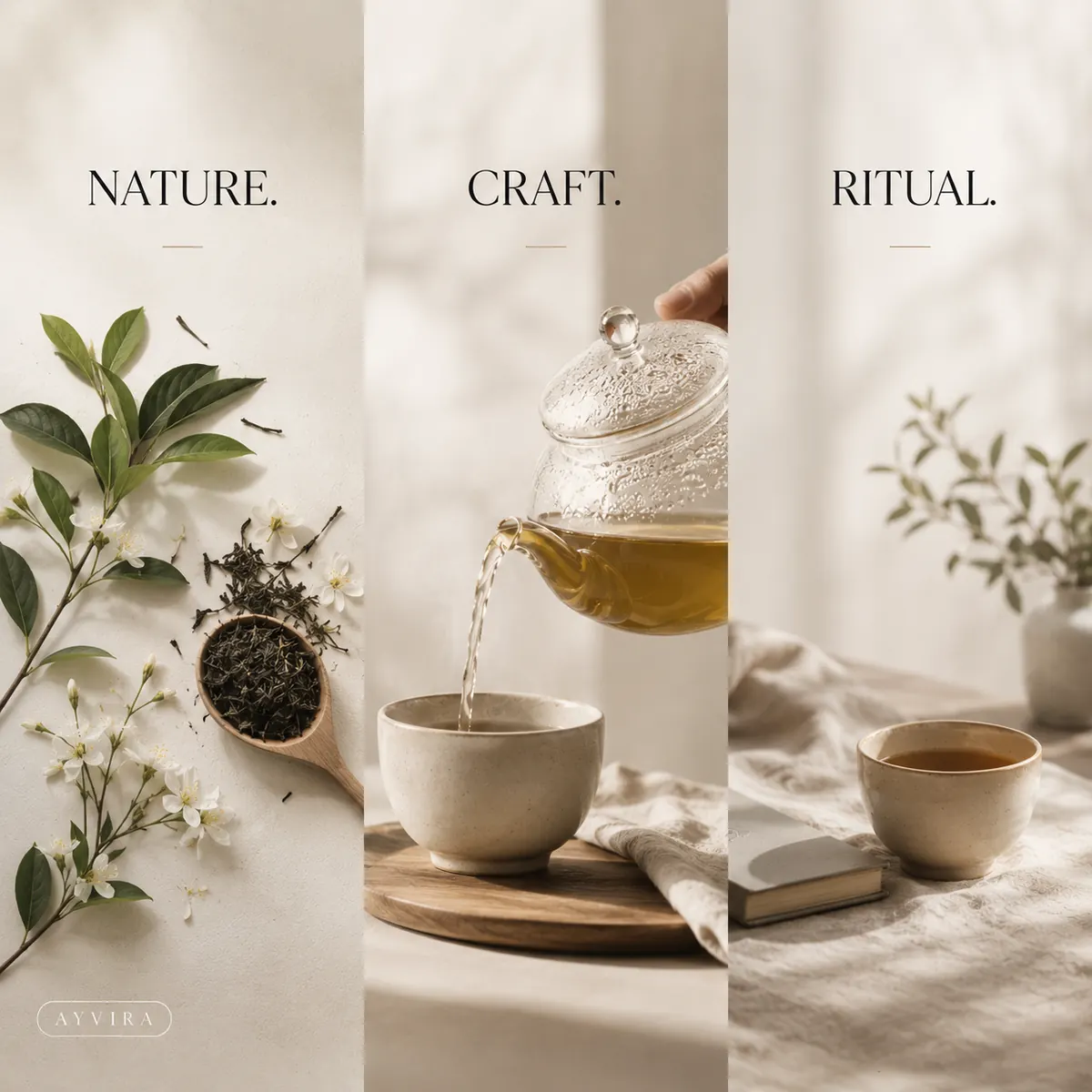
Some ingredients are more than ingredients. Tulsi is grown in courtyards and worshipped. Brahmi shows up in old stories about students and scholars. Ashwagandha has been spoken of for generations as a tonic root.
All three are part of the Jeevras blend. This page is a respectful look at how they have been regarded in tradition, with sources. It describes the herbs themselves. It is not a claim about the tea.
Three herbs, three traditions
- Tulsiतुलसी · Holy basil
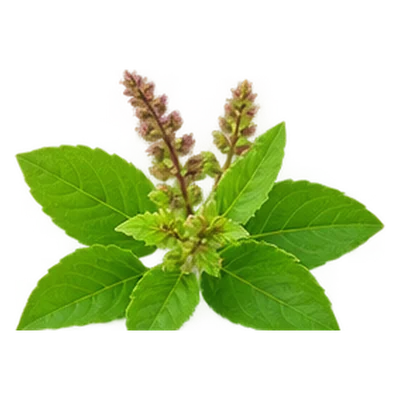
Tulsi, called the "Queen of Herbs", is sacred in Indian homes.
- Brahmiब्राह्मी · Brahmi
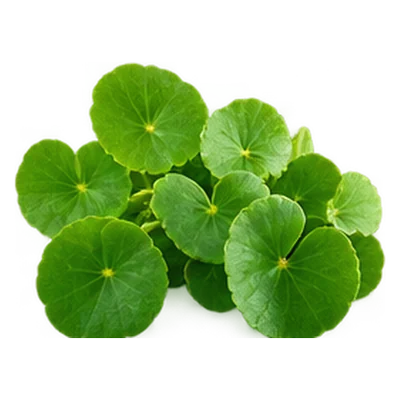
In Ayurveda, brahmi belongs to the medhya rasayana, herbs traditionally valued for the mind, memory and clarity.
- Ashwagandhaअश्वगंधा · Ashwagandha
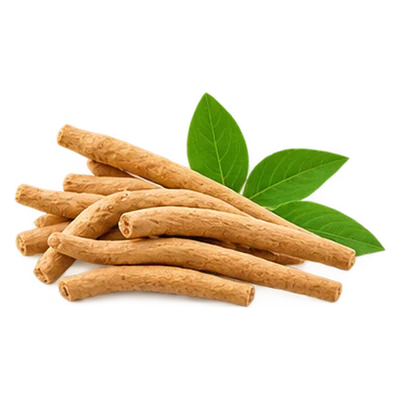
Ashwagandha root is one of Ayurveda's best-known rasayanas, a rejuvenating tonic.
Tulsi (holy basil) is called the “Queen of Herbs”. Reviews describe leaves, seeds and root being used in Ayurvedic practice, alone or with other herbs, traditionally for cough, bronchitis and fever. It is also simply sacred: planted at the centre of a courtyard and honoured daily.
Brahmi belongs to a group called medhya rasayana, herbs traditionally valued for the mind, memory and clarity. The name is used for more than one plant, Bacopa monnieri and, in some regions, Centella asiatica, so it pays to be specific about which one is meant.
Ashwagandha is one of Ayurveda’s best-known rasayanas, rejuvenating tonics. Its root has traditionally been used as an adaptogen, for stress and vitality.
What research says, honestly
Modern reviews take these herbs seriously, and also point out their limits. Much early research on tulsi and ashwagandha has been laboratory or animal work, studies on ashwagandha in people are often small and varied, and “Brahmi” covers more than one plant. That is why we describe them as traditionally regarded, and nothing more.
In the cup
In Jeevras, tulsi, brahmi and ashwagandha sit alongside Darjeeling black tea, rooibos and a generous circle of spices. For us, they carry a feeling of heritage: the sense that this cup draws on something older than a trend.
Keep reading
More from the journal.
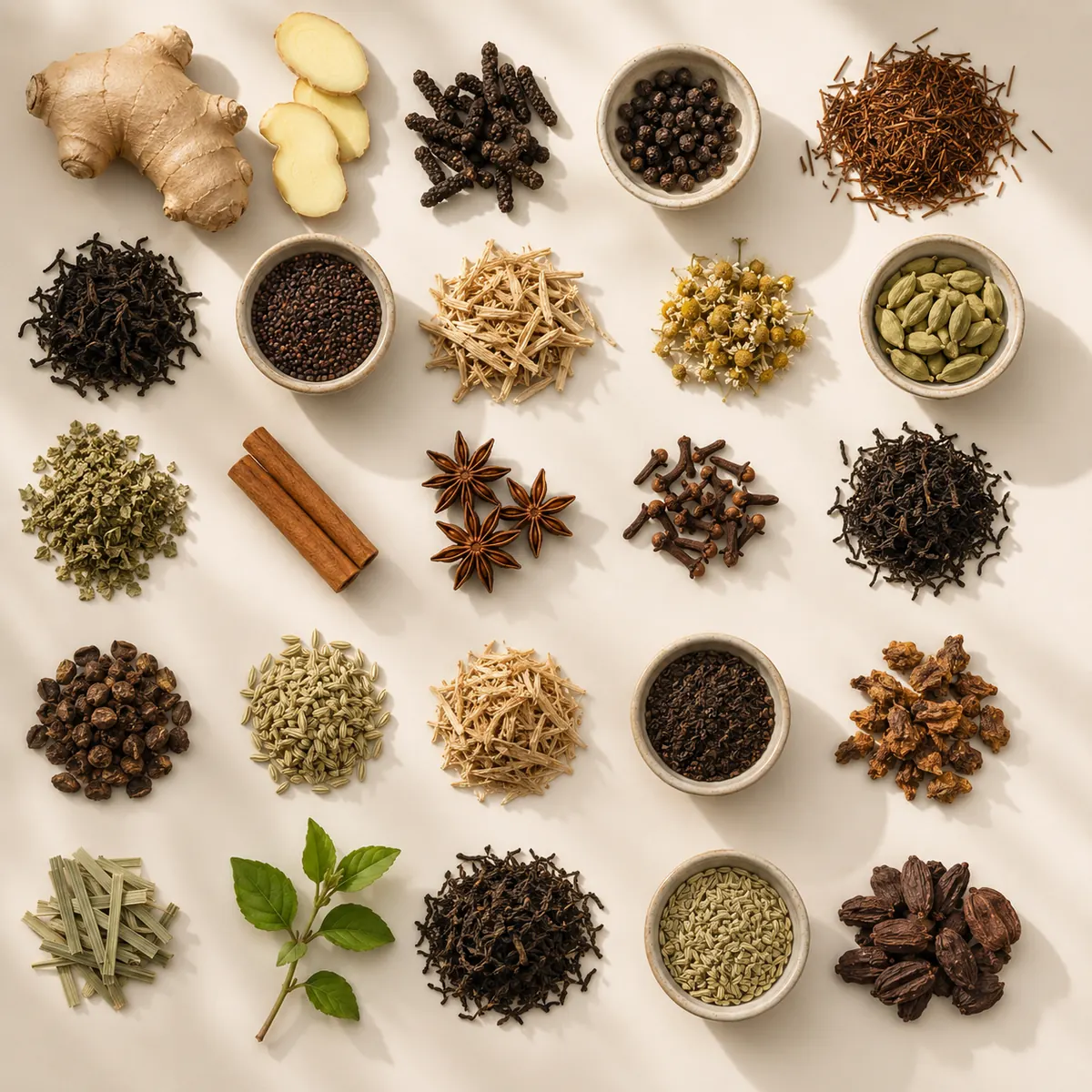
Twenty-Two Botanicals in One Cup
A guided walk through everything inside Jeevras, and what each ingredient has traditionally meant in Indian kitchens.
Read the story ↗
Rooibos Meets Darjeeling: The Story Behind a Fusion Chai
Two mountain regions, two very different leaves, and one cup that brings them together with the spice cabinet of an Indian kitchen.
Read the story ↗
The Afternoon Pause: A Fifteen-Minute Chai Ritual for a Busy Workday
A short reset between meetings, built around one good cup and a few minutes away from the screen.
Read the story ↗Ayvira teas are food products, not medicines, and are not intended to diagnose, treat, cure or prevent any disease. Notes about ingredients describe how they are traditionally used and what published sources report. They are shared for general interest and are not health claims for our teas. Please speak with a qualified health professional if you are pregnant, nursing, have a medical condition or take medication.